
AED advice and buying guides
Pricing, regulations, servicing, rental or purchase: practical answers written by our team so you can equip your site with confidence.
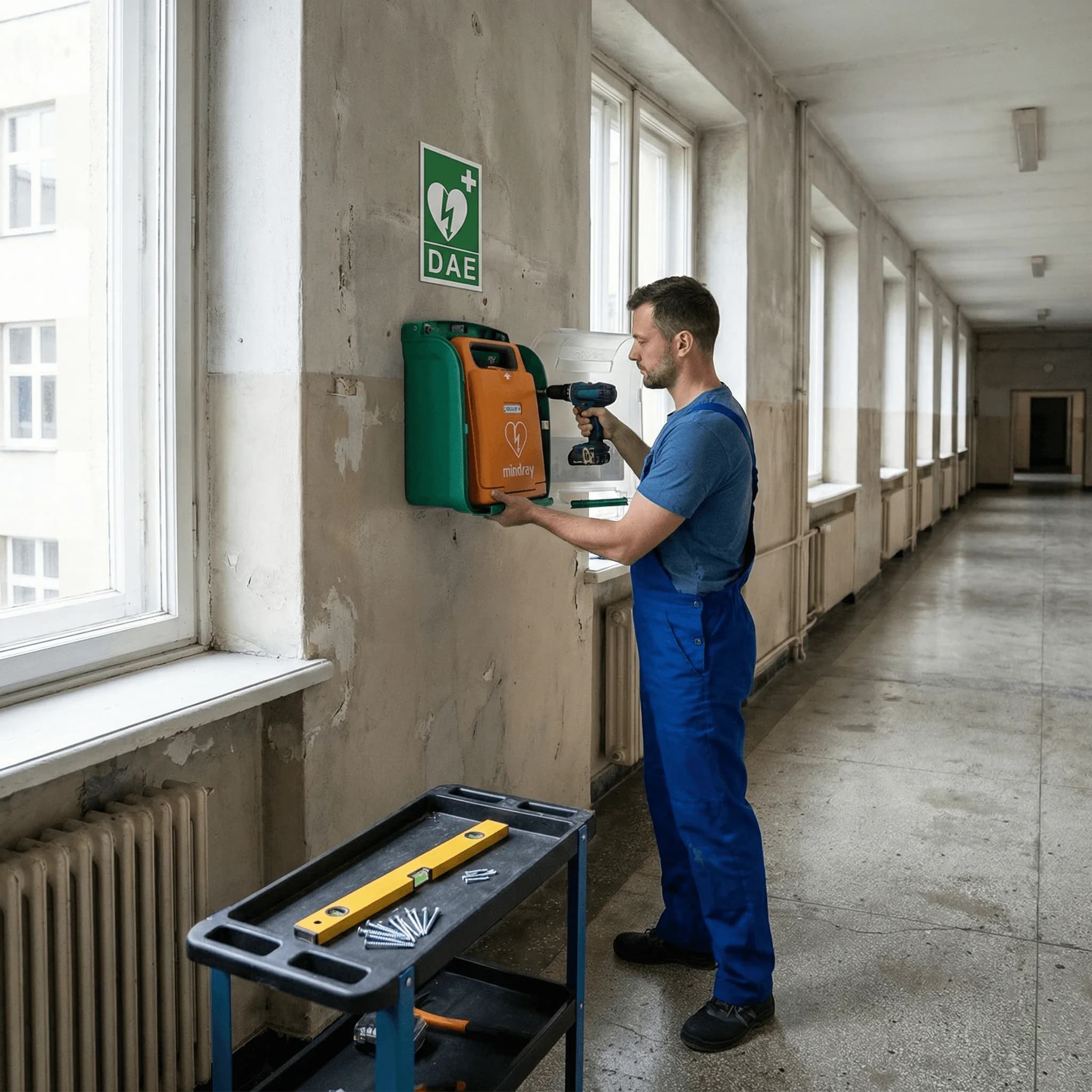
Mandatory defibrillators in French workplaces and public buildings: what the law says
Categories concerned, deadlines, signage, GéoDAE registration and penalties: the complete regulatory guide.
Read the guide
DAE, DEA, DSA: what are the differences?
DEA, DSA, DAE: definitions, comparison table, common myths and French regulations to help you choose the right defibrillator for your premises.
Read the article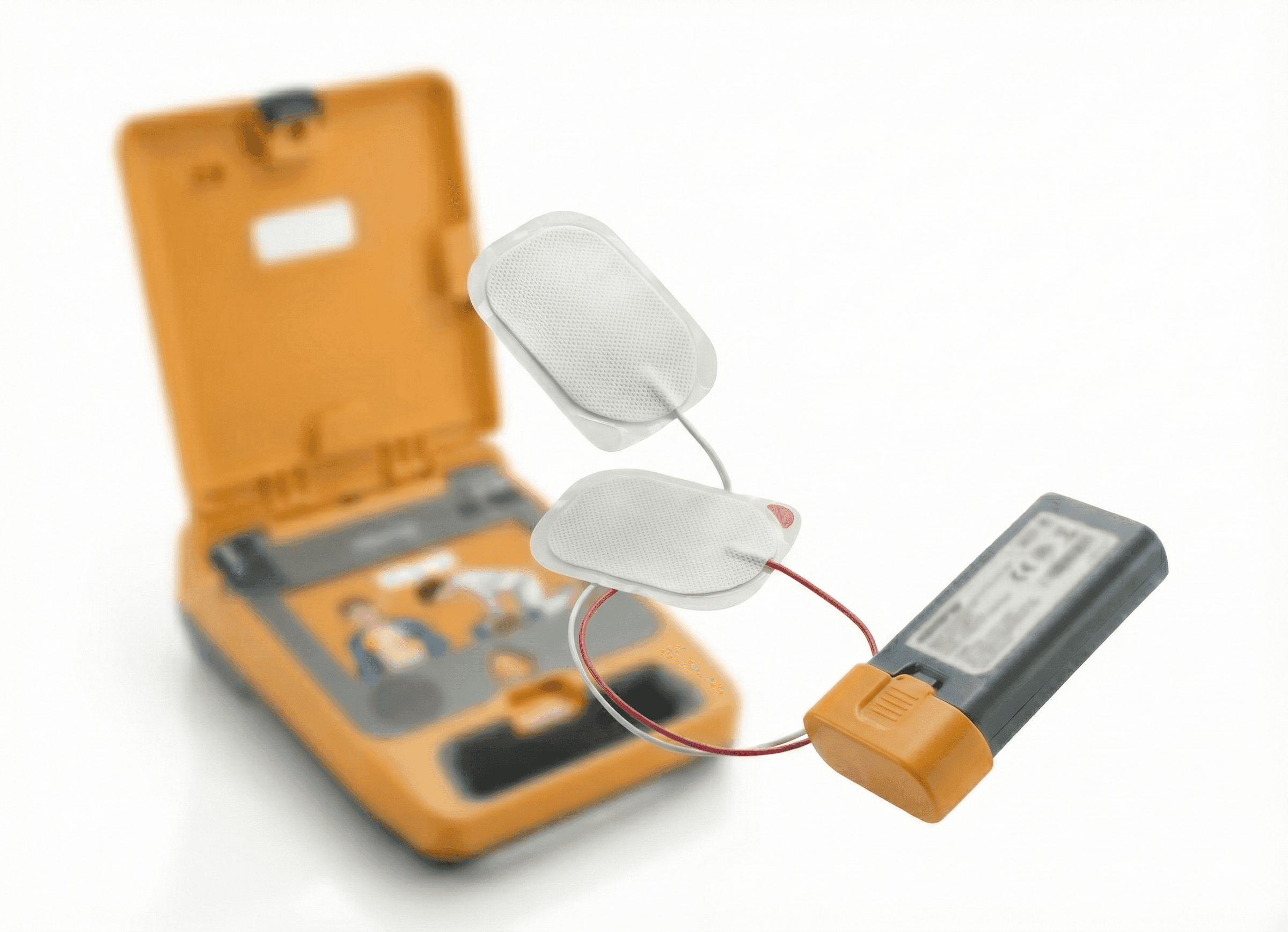
Lifespan of a defibrillator, its electrode pads and batteries
How long do a DAE (AED), its pads and its battery last? Component lifespans, self-tests, real maintenance costs and the operator's legal duties.
Read the article
How to choose a defibrillator: the complete buyer's guide
Fully automatic or semi-automatic, indoor or outdoor, total budget, pitfalls to avoid and GeoDAE registration: every criterion for choosing well, plus a final checklist.
Read the article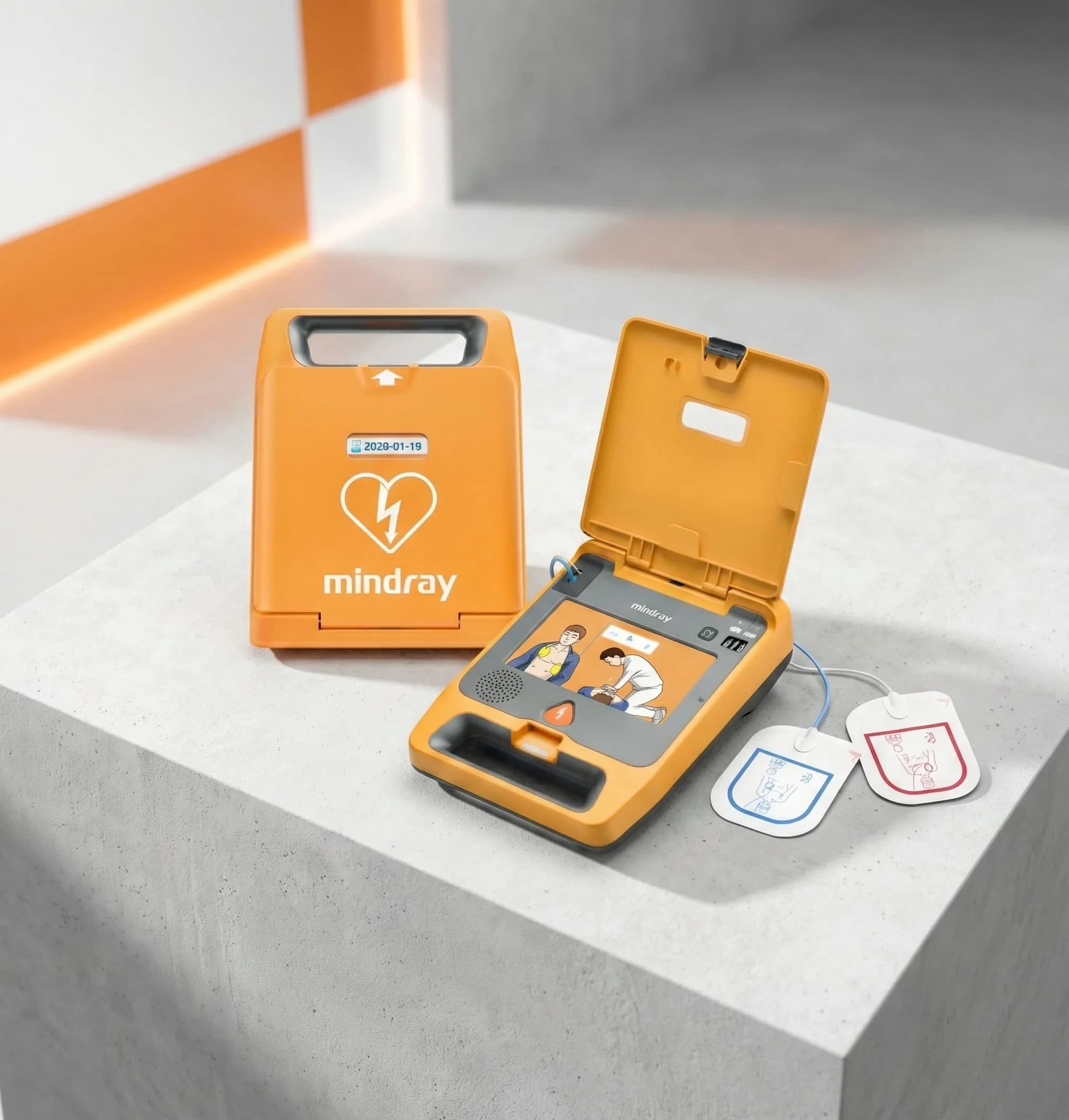
Renting or buying a defibrillator: which option should you choose?
Buying or renting a defibrillator: an honest comparison of five-year costs, maintenance, consumables, typical profiles and the key questions to ask before deciding.
Read the article
How much does a defibrillator cost in 2026? Real prices, consumables and rental
Real defibrillator prices in 2026: DAE (AED) units from 350 to 2,395 euros, pads, batteries, total cost over 4 to 5 years, rental from 50 euros excl. VAT a month, quote within 24 hours.
Read the article
Grants and funding options for a defibrillator
Councils, associations and businesses: how to fund a defibrillator in France (DETR, DSIL, local sponsorship, shared units) plus rental from 50 euros excl. VAT per month.
Read the article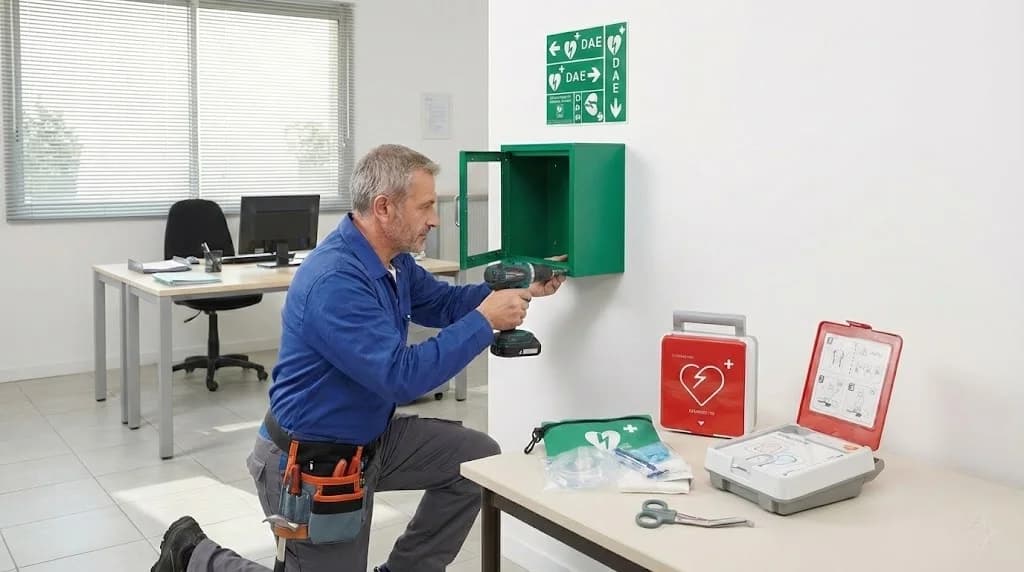
Registering your defibrillator on Geo'DAE and signposting it correctly
How to register a DAE (AED) on the French national Geo'DAE database and signpost it to standard: who registers, what information is needed, which signs to display and when to update.
Read the article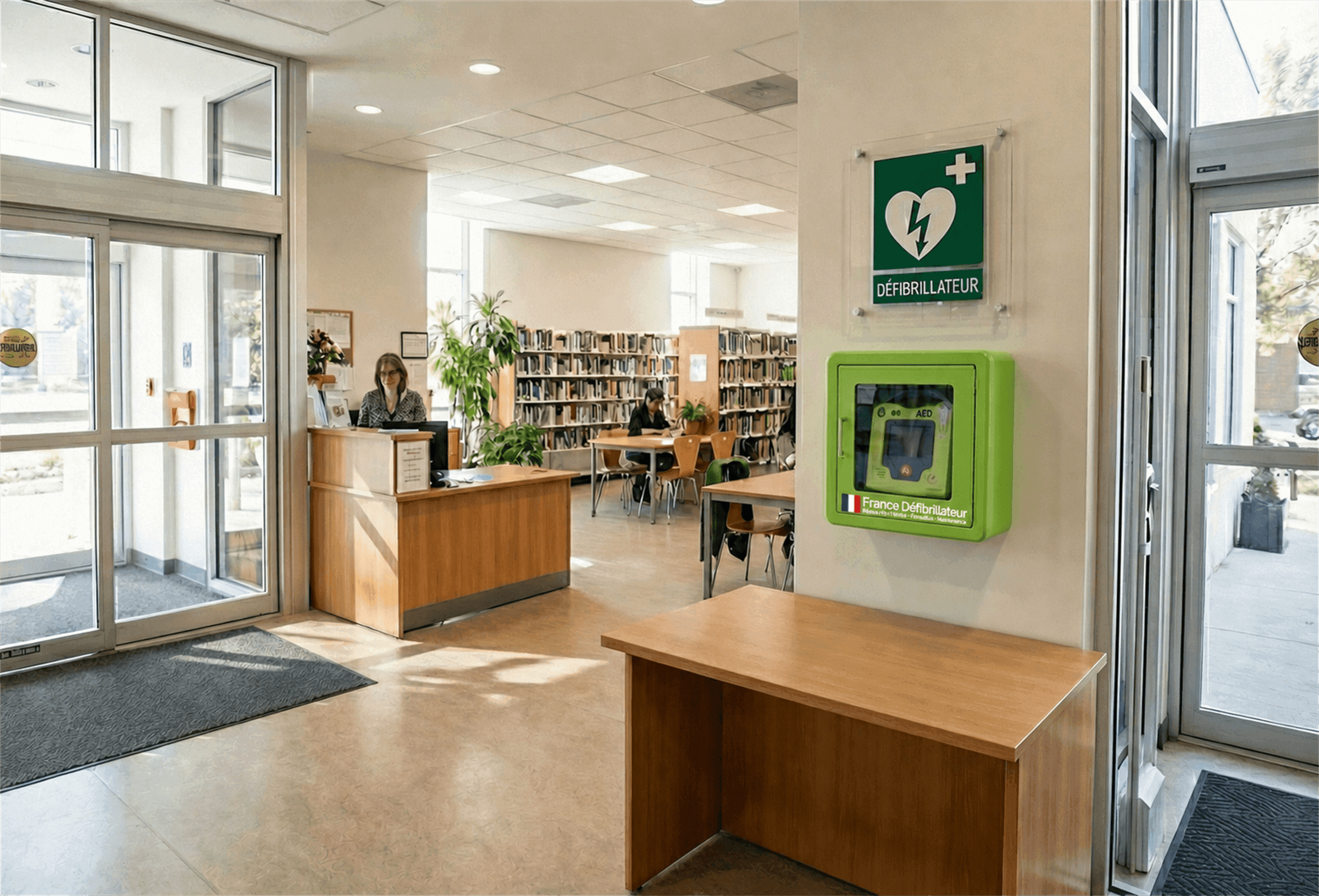
Defibrillators in care homes: equipping and training before the AFGSU deadline
The DGOS-DGCS 2026/12 circular extends AFGSU first-aid training to the care sector. How a care home organises training, sites its defibrillator and keeps its records.
Read the article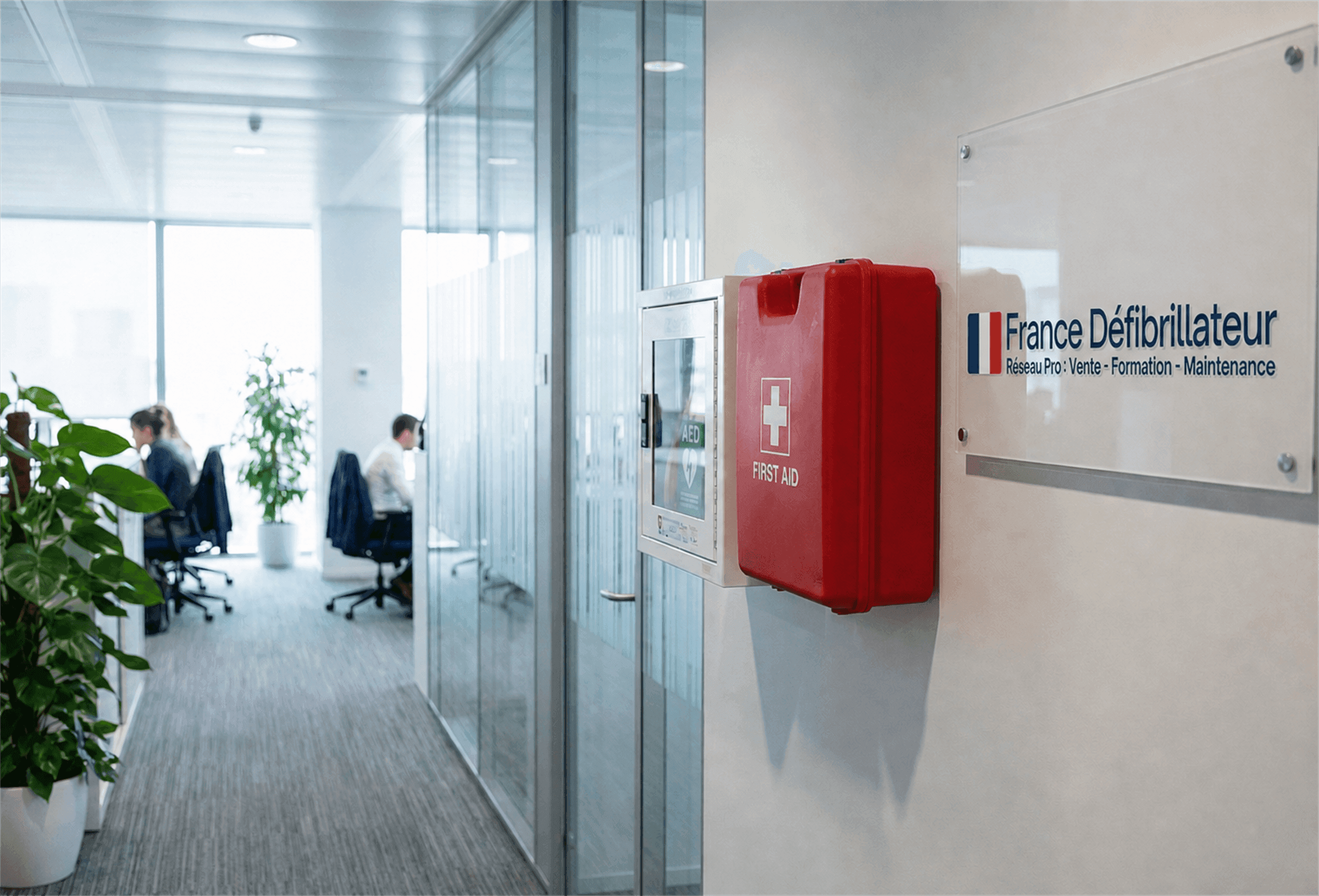
Defibrillators in category 5 ERP venues: obligations and shared units
Small shops, clinics, restaurants and community halls: which category 5 French public-access buildings (ERP) need a defibrillator, since when, and how to share one unit across a site.
Read the article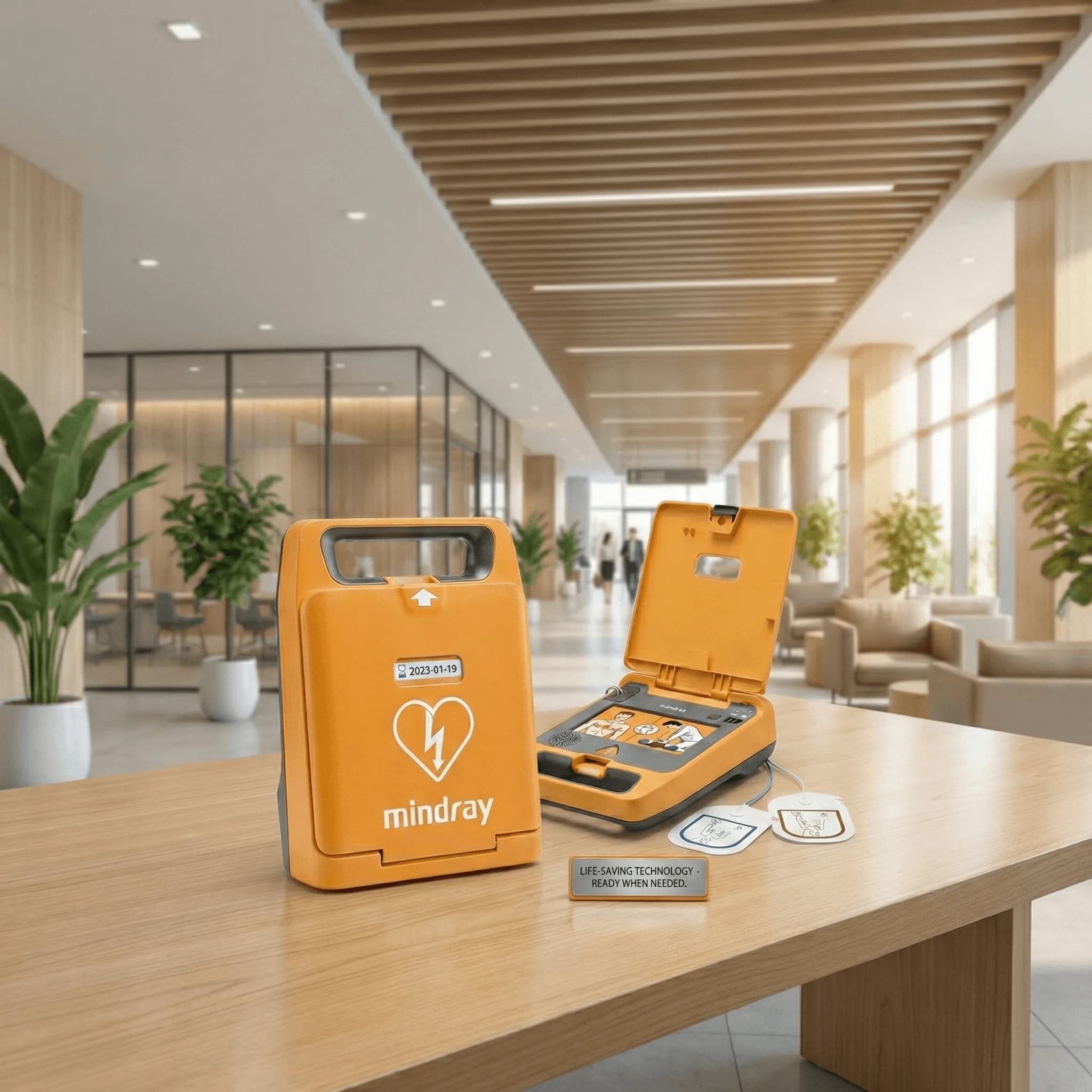
CE marking and the MDR: checking that a defibrillator is compliant
Regulation (EU) 2017/745 places defibrillators in class III. CE marking, notified body, transition until 31 December 2027: what every buyer should check.
Read the article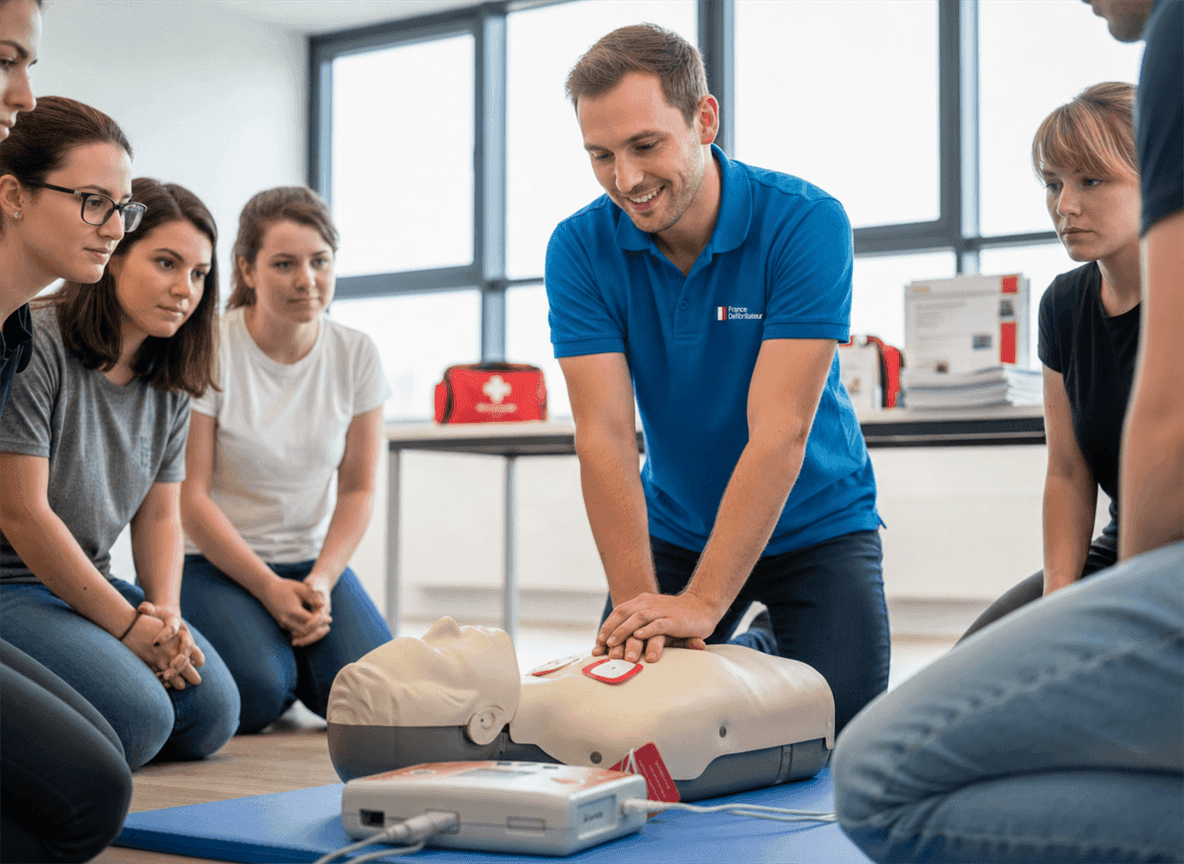
First aid training: what the arrêté du 7 juillet 2026 (order of 7 July 2026) changes
The arrêté du 7 juillet 2026 replaces first aid recommendations with binding national technical references. Here is what changes for your GQS, PSC and PSE training sessions.
Read the article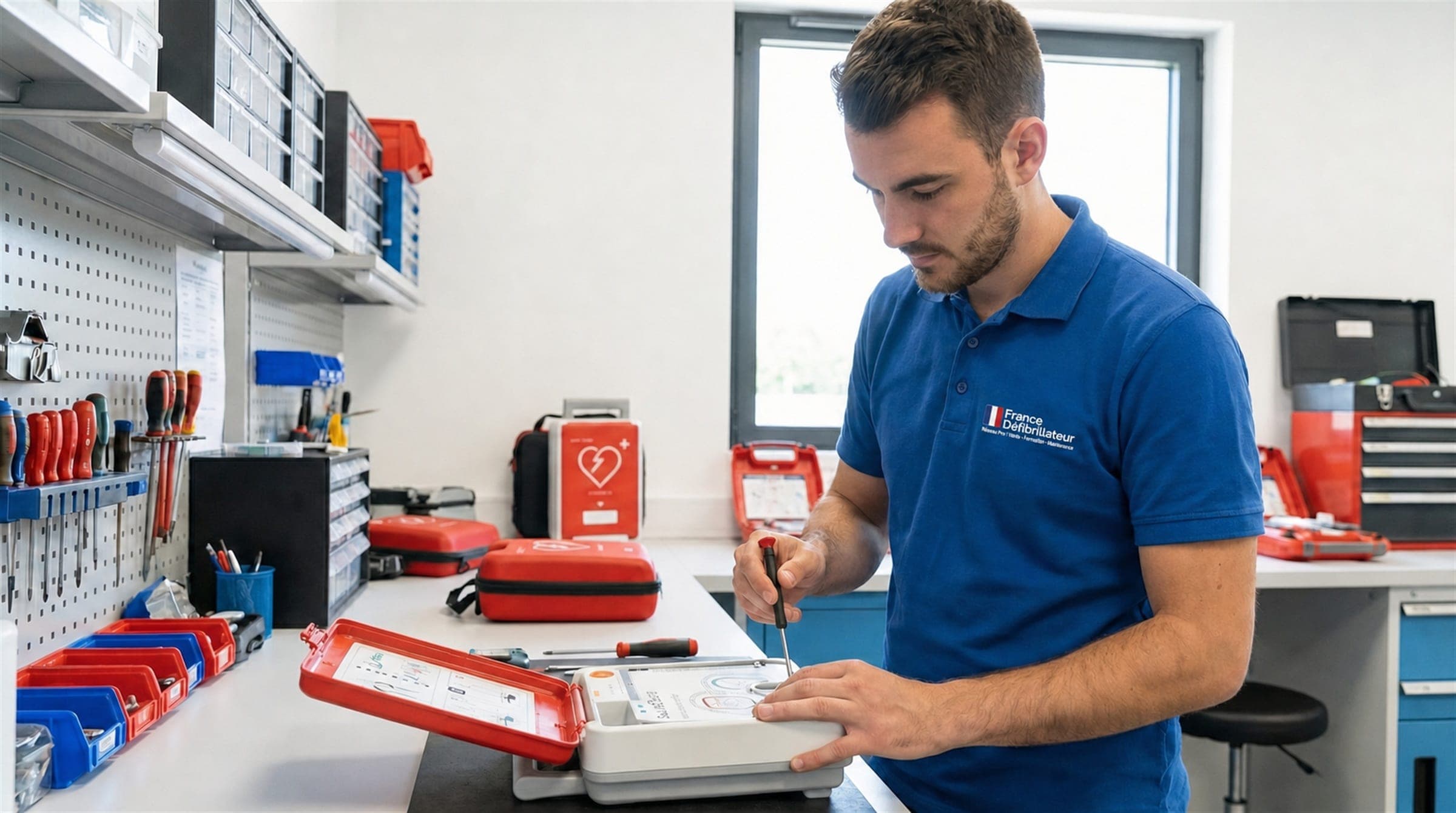
Maintenance and medical device vigilance: the duties of a defibrillator operator
Maintenance log, self-tests, electrode expiry dates and reporting to the ANSM: what the French Code de la sante publique actually requires from a defibrillator operator.
Read the article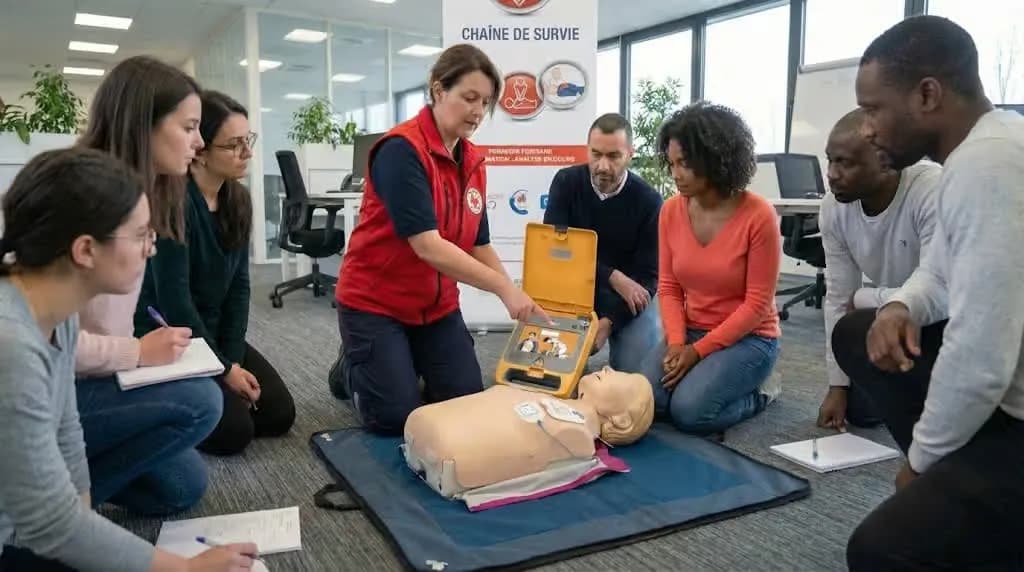
Who is allowed to use a defibrillator in France, and with what legal protection
The 2007 decree, citizen rescuer status, training and liability: what French law actually says about using an automated external defibrillator (AED).
Read the article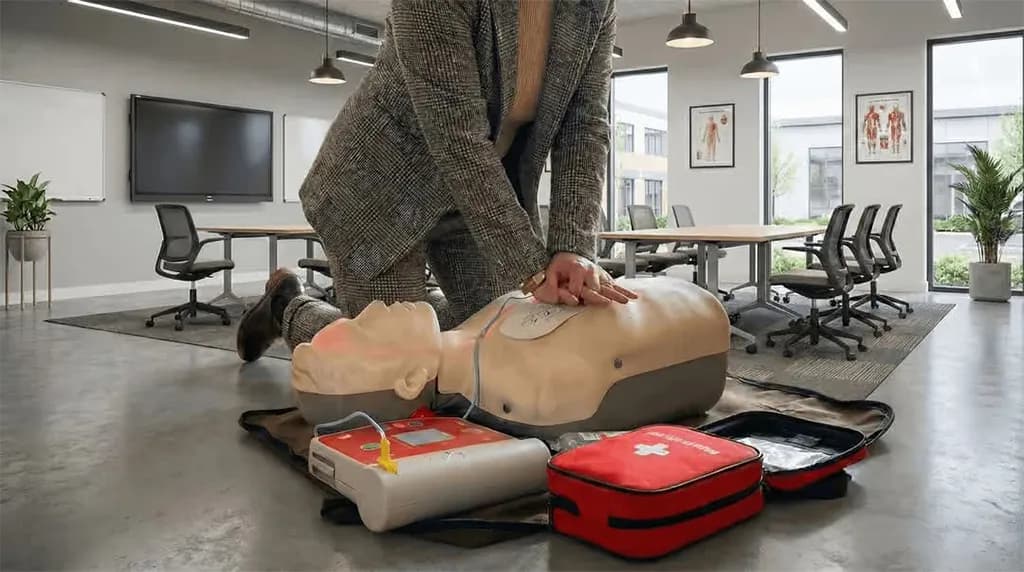
2025 resuscitation guidelines: what changes for your DAE (AED)
ILCOR CoSTR 2025 and the ERC Guidelines 2025 unveiled in Rotterdam: what these international recommendations change in practice for anyone operating a defibrillator.
Read the article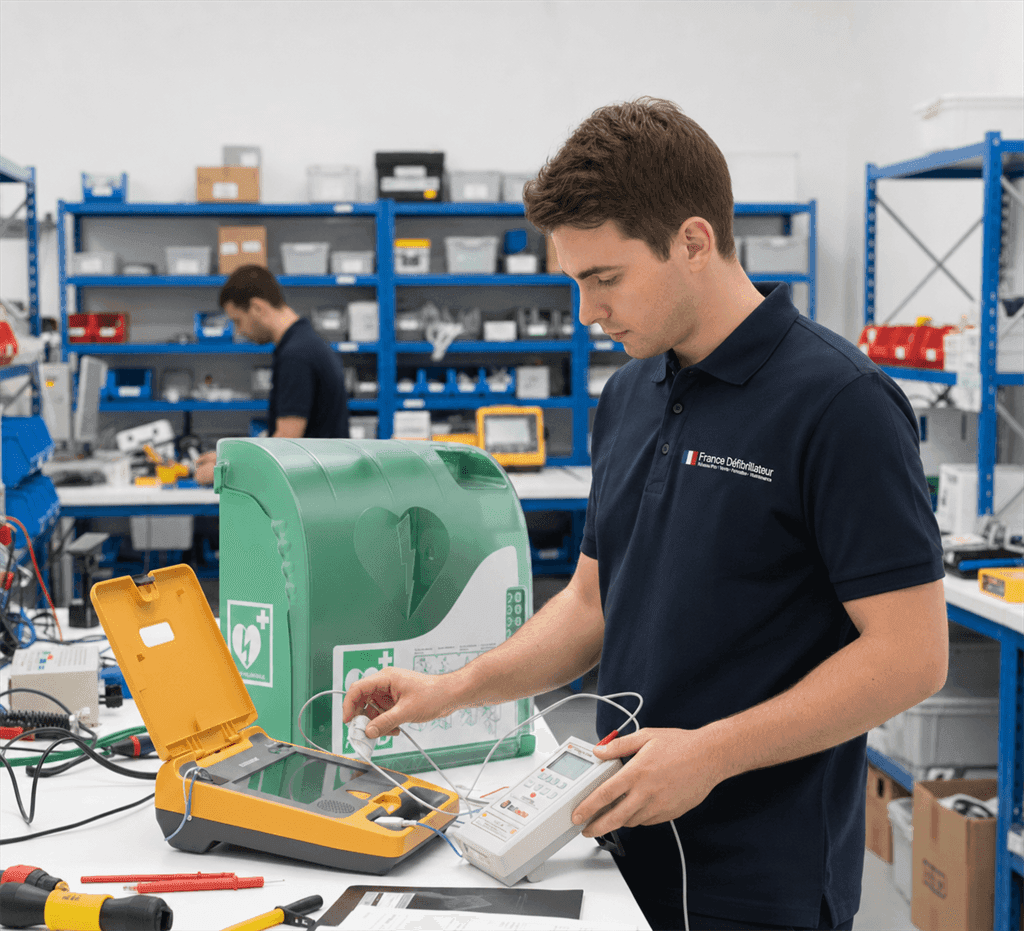
Safety register and defibrillator: what to record and how often
Safety register, device file, self-test readings, electrode and battery expiry dates, Geo'DAE listing: the full documentary trail for a DAE (AED) in a French public-access building.
Read the article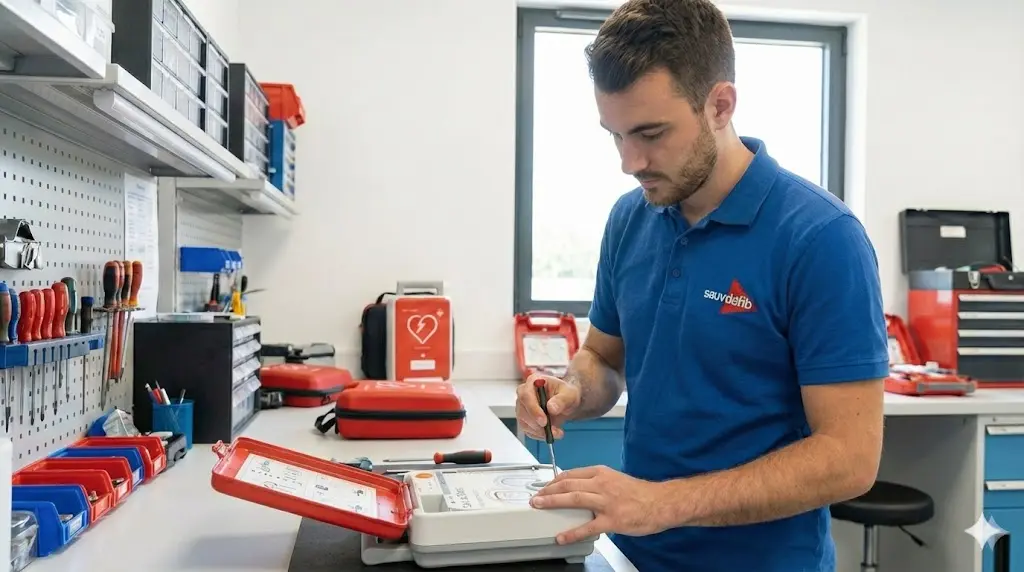
Indoor or outdoor AED cabinet: how to choose
Indoor or outdoor cabinet for a defibrillator: differences, real prices, alarm and heating, to protect the device and meet accessibility rules in public buildings.
Read the article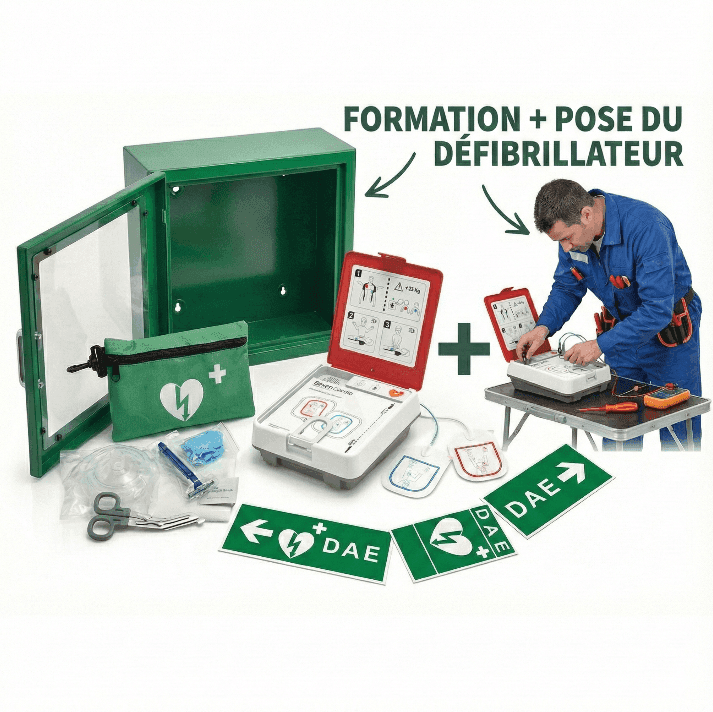
Defibrillators in Schools: Requirements and Pediatric Pads
Schools, middle schools and high schools are public buildings like any other. AED category rules, choosing pediatric pads, staff training and the real budget to plan for.
Read the articleDefibrillators for sports clubs: rules and equipment
Gyms, sports grounds and fitness clubs welcome the public and must carry a defibrillator: rules, choosing the right device, placement and upkeep for a sports club.
Read the articleAEDs in the Workplace: Employer Duties in France
Offices, headquarters, workshops: which French companies must install a defibrillator, how to signal it, who to train among staff, and what to budget.
Read the article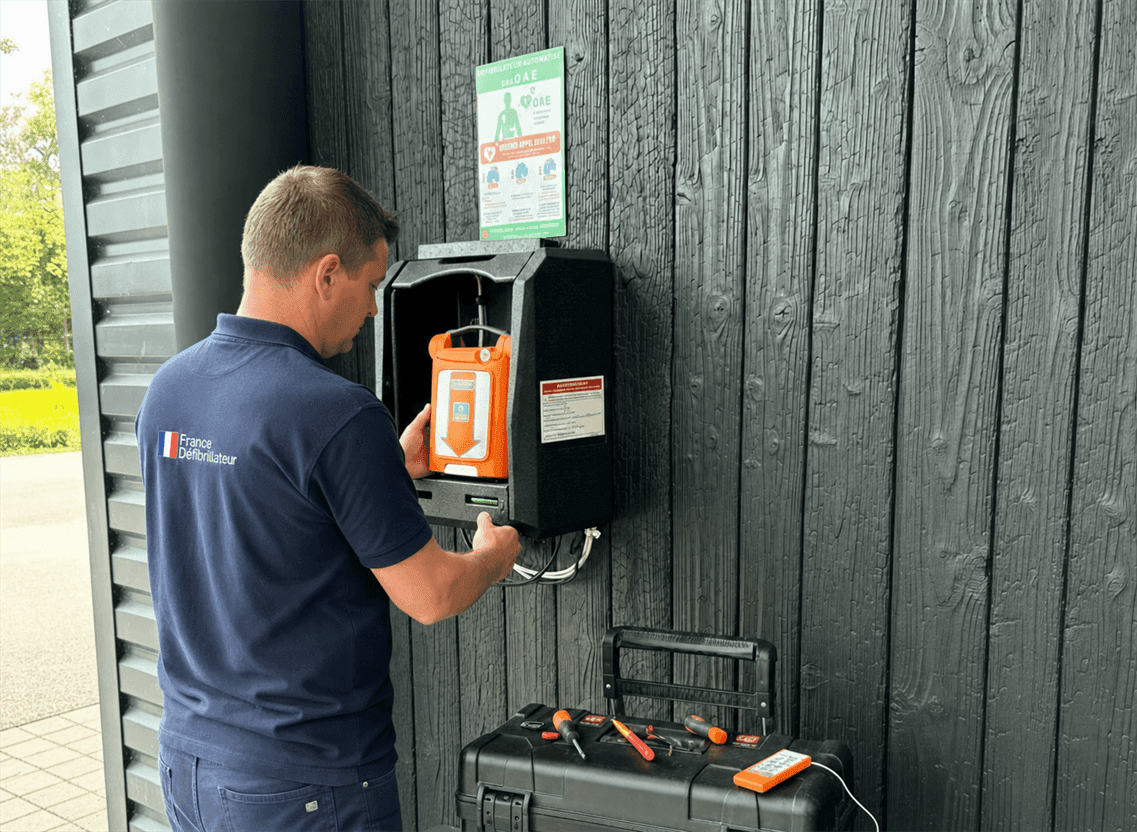
Defibrillators in Hotels: Obligations and Best Practices
A hotel welcomes very different guests around the clock. Obligations by ERP category, where to install the unit, staff training and budget: the full picture for hotel businesses.
Read the article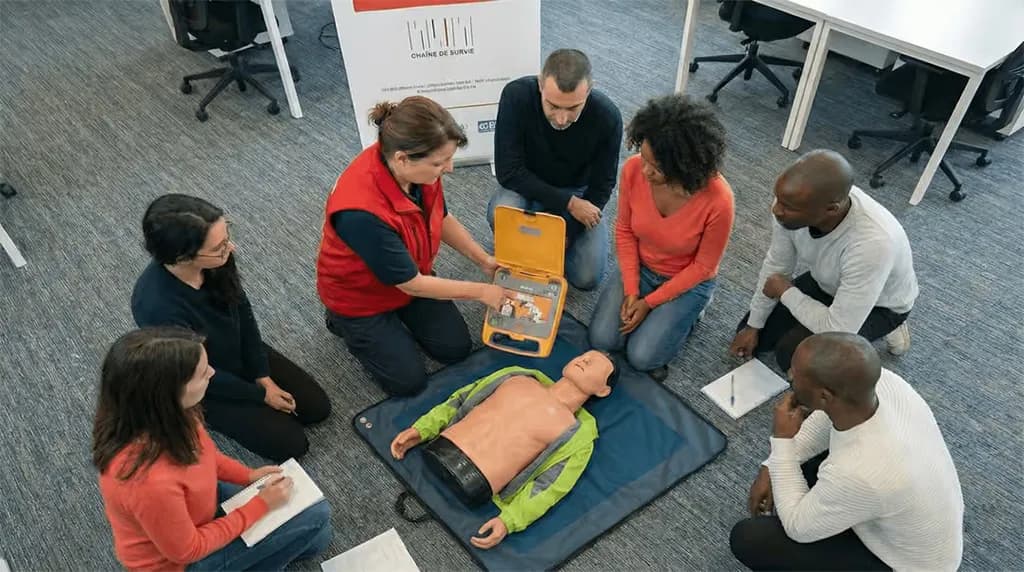
Cardiac arrest: life-saving steps and chain of survival
Recognising cardiac arrest, calling for help, compressing and defibrillating: the chain of survival explained step by step, with common misconceptions to avoid.
Read the articleDefibrillators for town halls and local authorities: the rules
Town hall, gymnasium, community hall, library: each municipal building has its own AED obligations. Timeline, GeoDAE registration and maintenance explained.
Read the article
Defibrillators in Shops: Legal Duties and Best Practices
Does a shop have to install a defibrillator? ERP categories concerned, choosing the device, signage, budget and staff training in stores.
Read the articleAED used: the procedure to follow after an intervention
Electrodes, battery, safety log, putting the device back into service: here are the steps to take after an AED has been used during a cardiac arrest, so it stays ready.
Read the article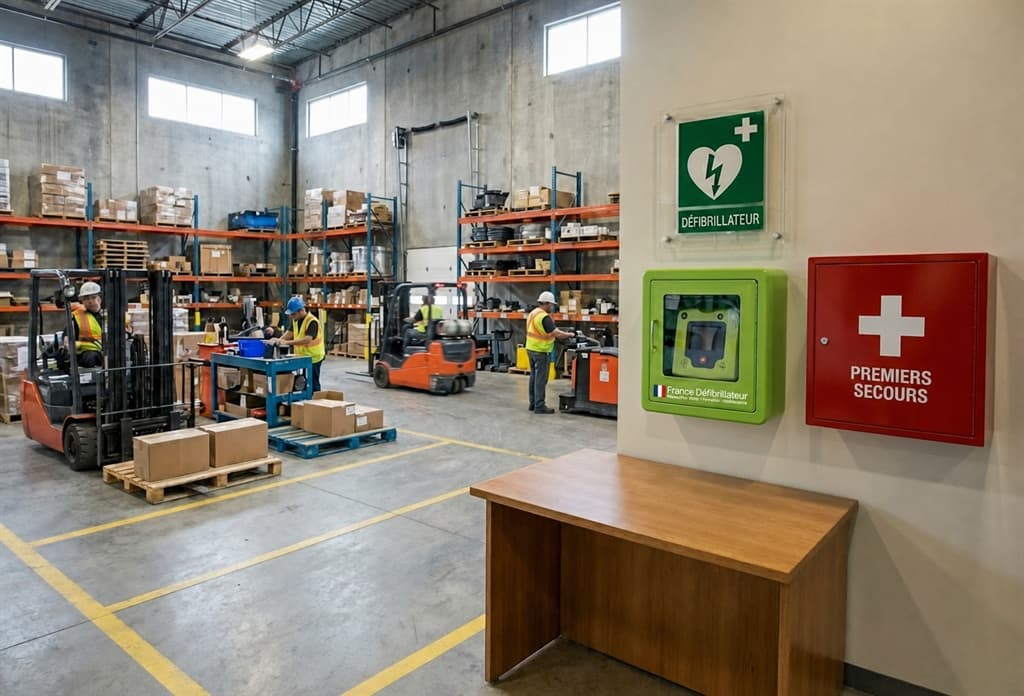
Who to train in lifesaving skills, and how often
Awareness sessions or first-aid certification, priority staff, refresher schedules: how an organisation builds a training plan around its defibrillator.
Read the articleAED Signage: Required Signs and Directional Markers
Signs, pictogram, directional markers: what the French order of 29 November 2018 requires so a bystander can locate a defibrillator within seconds.
Read the articleUsed or Refurbished Defibrillator: What to Check
Buying a used or refurbished defibrillator: what to check before you buy, the maintenance duties that stay the same either way, and alternatives such as rental.
Read the articleCardiac arrest: common myths about defibrillators
Mandatory training, dangerous shocks, a heart that restarts: these myths still delay action during a cardiac arrest. Here is what actually happens.
Read the article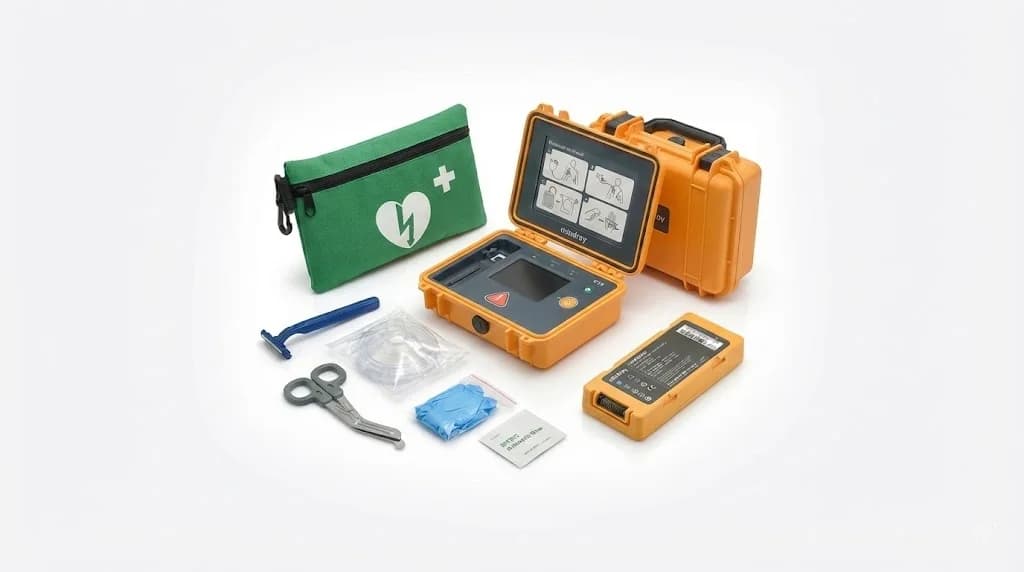
Defibrillators in Apartment Buildings: Rules and Best Practices
Residential building in France: is a co-owned property (copropriete) required to install a defibrillator? Building classification, the owners' vote and upkeep, explained.
Read the articleDefibrillator self-test: reading the indicator light
Green, red or off: understanding the AED's daily self-test, reacting to an alert and knowing when to call in maintenance.
Read the article
Where to install a defibrillator for fast access
Entrance hall, corridor, multiple floors, indoor or outdoor: the practical criteria for choosing where to install a defibrillator and cut the delay before the first shock.
Read the articleConnected defibrillator: what changes vs a standard model
A Wi-Fi AED (automated external defibrillator) or a remote connection module: what a connected defibrillator really changes for maintenance, alerts and the operator's obligations.
Read the articleDefibrillator in a medical practice: what are the obligations?
A medical, dental or allied health practice is a public-receiving site. A clinician's training does not replace the AED requirement: obligations, shared devices and equipment choices explained.
Read the articleAED for campsites and outdoor accommodation: rules and best practice
A swimming pool, sports activities and seasonal staff who change every summer: campsites combine several cardiac risk factors. Rules, placement and budget for getting properly equipped.
Read the article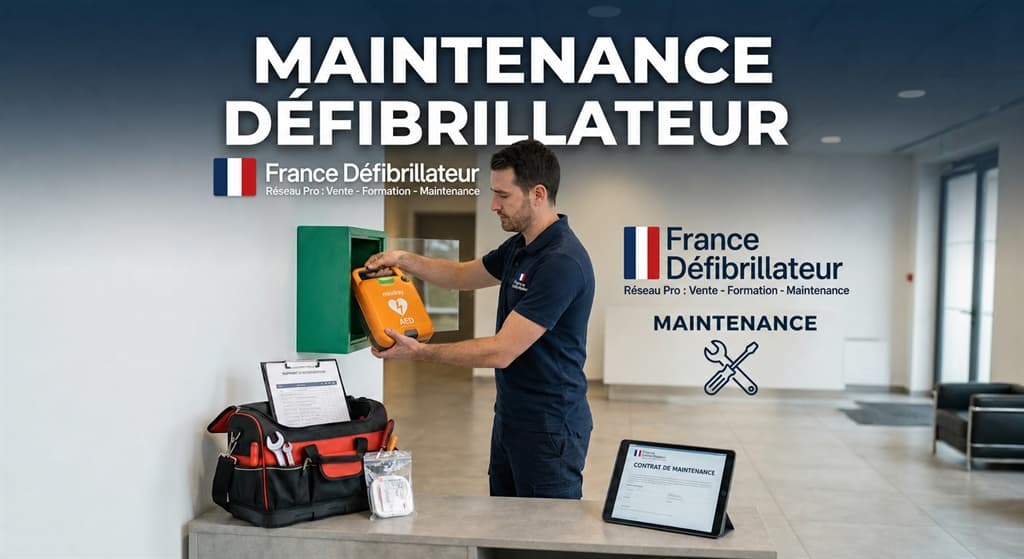
Defibrillator in Swimming Pools and Aquatic Centers: Obligations and Best Practices
Municipal pools, aquatic centers or outdoor basins: which regulations apply, what cabinet withstands humidity and chlorine, and how to train lifeguards and staff.
Read the articleNo defibrillator in an ERP: what risk for the operator
A defibrillator that is missing, faulty or poorly registered exposes the operator of a French public-access building to civil, insurance and sometimes criminal risk. A look at that liability and at how to fix it quickly.
Read the article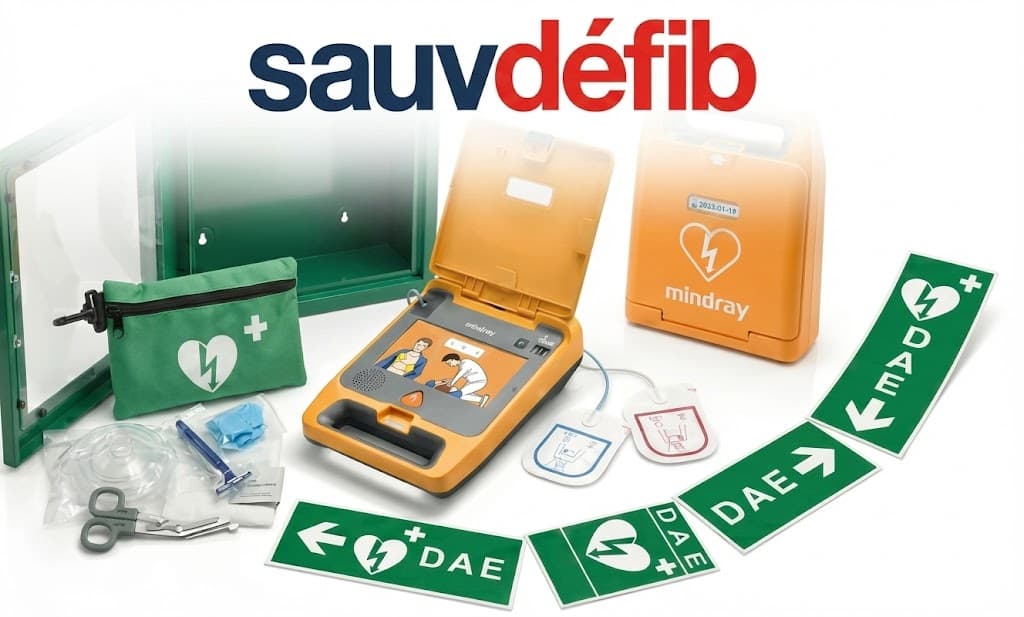
How to Replace an AED's Electrode Pads and Battery
Red light or an approaching expiry date: the exact steps to replace the electrode pads and battery of a defibrillator (AED) yourself, without errors.
Read the articleDefibrillator at Home: Is It Worth It, and How to Choose
No French law requires individuals to have a defibrillator at home, but some households have good reasons to consider one. Usefulness, choice of device, budget and training explained.
Read the article
CPR chest compressions: the technique that saves a life
Where to place your hands, how hard to push, when to switch rescuers: the CPR technique explained step by step, before and while using a defibrillator.
Read the articleDefibrillator Maintenance Contract: What It Should Cover
Self-tests, replacing pads and the battery, response time in case of an alert: what a DAE maintenance contract should include, whether the device is purchased or rented.
Read the articleRecovery Position or Cardiac Arrest: How to Tell Them Apart
The recovery position and cardiopulmonary resuscitation do not apply to the same condition. Here is how to tell them apart and know when to reach for the defibrillator.
Read the articleHow many defibrillators should a building have?
Is one defibrillator enough? The right number depends on floor area, number of floors, number of buildings and footfall. Criteria to assess the real need.
Read the articleHeart Attack or Cardiac Arrest: Key Differences
A heart attack and a cardiac arrest do not call for the same response. Learn to recognise the signs, react correctly and know when to use a defibrillator.
Read the articleDefibrillator Insurance: What Is Covered, and What Isn't
Manufacturer warranty, maintenance contract and insurance do not cover the same risks for a defibrillator. Theft, water damage, liability: what to check before a claim.
Read the articleDefibrillator in a Pharmacy: Obligations and Best Practices
A pharmacy sees an often frail public every day and sometimes stays the only place open at night during duty shifts. Rules, equipment choice, maintenance and the GéoDAE registration explained.
Read the articleDefibrillator in a Leased Shop: Landlord or Tenant, Who Installs It?
Landlord or tenant: who must install and maintain the defibrillator in a leased commercial unit? A look at the legal duty, the lease, and rental options for businesses.
Read the articleAED in cinemas, theatres and concert halls: what applies
Cinemas, theatres and concert halls receive the public under particular conditions: darkness, dense crowds, multiple exits. Facility category, placement, staff training and budget to plan.
Read the articleDefibrillators in restaurants and bars: rules to know
Restaurant, bar or cafe: what the law requires, where to place the device in the dining room and on the terrace, how to train a fast-changing team, and typical cost.
Read the articleDefibrillators in Train Stations and Public Transport
Which train stations must install a defibrillator, where to place it and who maintains it. AEDs in stations, platforms and interchange hubs, and the rule for trains, trams and buses.
Read the articleDefibrillator in nightclubs and dance halls: obligations and best practices
Nightclubs, cabarets and dance halls fall under ERP type P venues in France. Category, placement in a dark and noisy venue, training staff who turn over fast, and maintenance in tough conditions.
Read the article
AEDs in Senior Residences in France: Rules and Practice
Independent living residences and senior service residences in France: what are the AED rules, which device to choose, and how to organise day and night alert coverage.
Read the articleDefibrillators in Places of Worship: Rules and Practice
Churches, temples, mosques, synagogues: what AED rules apply by ERP category, where to install the device in an older building, and who among volunteers should be trained.
Read the articleDefibrillator in a Nursery: Requirements and Best Practices
Nurseries and small childcare centres bring together children, staff and parents every day. ERP category rules, pediatric pads, staff training and a safe location: what to know before equipping one.
Read the articleDefibrillators in Supermarkets and Shopping Centres: Rules and Best Practices
Supermarket, hypermarket, shopping centre: which AED rules apply by ERP category, who installs it between landlord and tenants, and where to place it for a fast response.
Read the articleDefibrillators at highway service areas and gas stations: rules and best practice
Rest areas, gas stations and highway shops: who must install a defibrillator, who maintains it between the concession holder and tenant brands, and where to place it for passing customers.
Read the articleDefibrillators on construction sites: obligations and best practices
A construction site is not a public building and is not legally required to have a defibrillator, but the sector's cardiovascular risks often justify installing one. Obligations, suitable equipment and temporary rental.
Read the articleDefibrillator end of life: recycling and operator obligations
What to do with a defibrillator, its electrodes or its battery at end of life: recycling channels, updating the Geo'DAE registry and the safety logbook.
Read the articleDefibrillators on university campuses: rules and best practices
A campus is made up of several buildings, each with different rules. Where to install defibrillators, how to register them, and who handles maintenance across a large university site.
Read the article
Cardiac Arrest in Athletes: Causes and the Role of the Defibrillator
Why a trained heart is not immune to cardiac arrest, which warning signs matter during exercise, and why a nearby defibrillator (AED) changes the outcome.
Read the articleDefibrillators in Warehouses and Logistics Sites
A warehouse is not always subject to public-venue rules, but physical strain, forklifts and shift work often justify installing a defibrillator. Obligations, placement and maintenance explained.
Read the articleDefibrillators at festivals and outdoor events
Concerts, fairs and outdoor sports gatherings: what to consider for equipment, placement and organisation to have an effective defibrillator during a temporary event.
Read the articleDefibrillators in airports: requirements and best practices
Departure halls, waiting areas, runways and technical zones: how an airport should organise defibrillator coverage across all of its public and staff-only spaces.
Read the articleDefibrillators in amusement parks and zoos: rules and best practice
Amusement parks and zoos welcome large crowds across sprawling outdoor grounds. Rules, defibrillator placement and maintenance for these venues in France.
Read the articleAED in stadiums and sports venues: obligations and best practices
Stadiums and sports venues: what are the defibrillator obligations, how many units are needed, where to place them, and how to maintain them outdoors.
Read the article
Defibrillators in ski resorts: obligations and best practices
Altitude, cold and seasonal crowds: what ski resorts need to know about installing and maintaining their defibrillators.
Read the articleDefibrillator in a marina: obligations and best practices
Harbour office, pontoons, sailing club: who must install a defibrillator in a marina, how to protect it from salt air, and how to register it with GéoDAE.
Read the articleCardiac Arrest in Children: The Life-Saving Steps
Choking, drowning, asphyxia: in children and infants, cardiac arrest often has a different cause than in adults. Recognise the signs, act fast, and use the defibrillator correctly.
Read the articleHow to use a defibrillator: step by step
The step-by-step guide to using an automated external defibrillator during cardiac arrest: calling emergency services, chest compressions, pad placement and the shock.
Read the articleDefibrillator in a casino or gaming hall: requirements and best practices
Casinos and gaming halls stay open late with reduced staff: AED requirements, placement, signage and training suited to these extended hours.
Read the articleCardiac Arrest in Women: Warning Signs Too Often Missed
In women, cardiac arrest symptoms are often less typical and recognised too late. Warning signs, first aid steps and how to use a defibrillator, the same for everyone.
Read the articleHow a defibrillator decides whether to shock
As soon as the pads are attached, the defibrillator analyses the heart rhythm within seconds and only delivers a shock if the rhythm truly requires one, with no risk of error for the victim.
Read the articleHow to run a cardiac arrest simulation drill at work
A cardiac arrest simulation drill puts first aid training into practice. How to prepare it, assign roles, and turn the debrief into real improvements for the site.
Read the article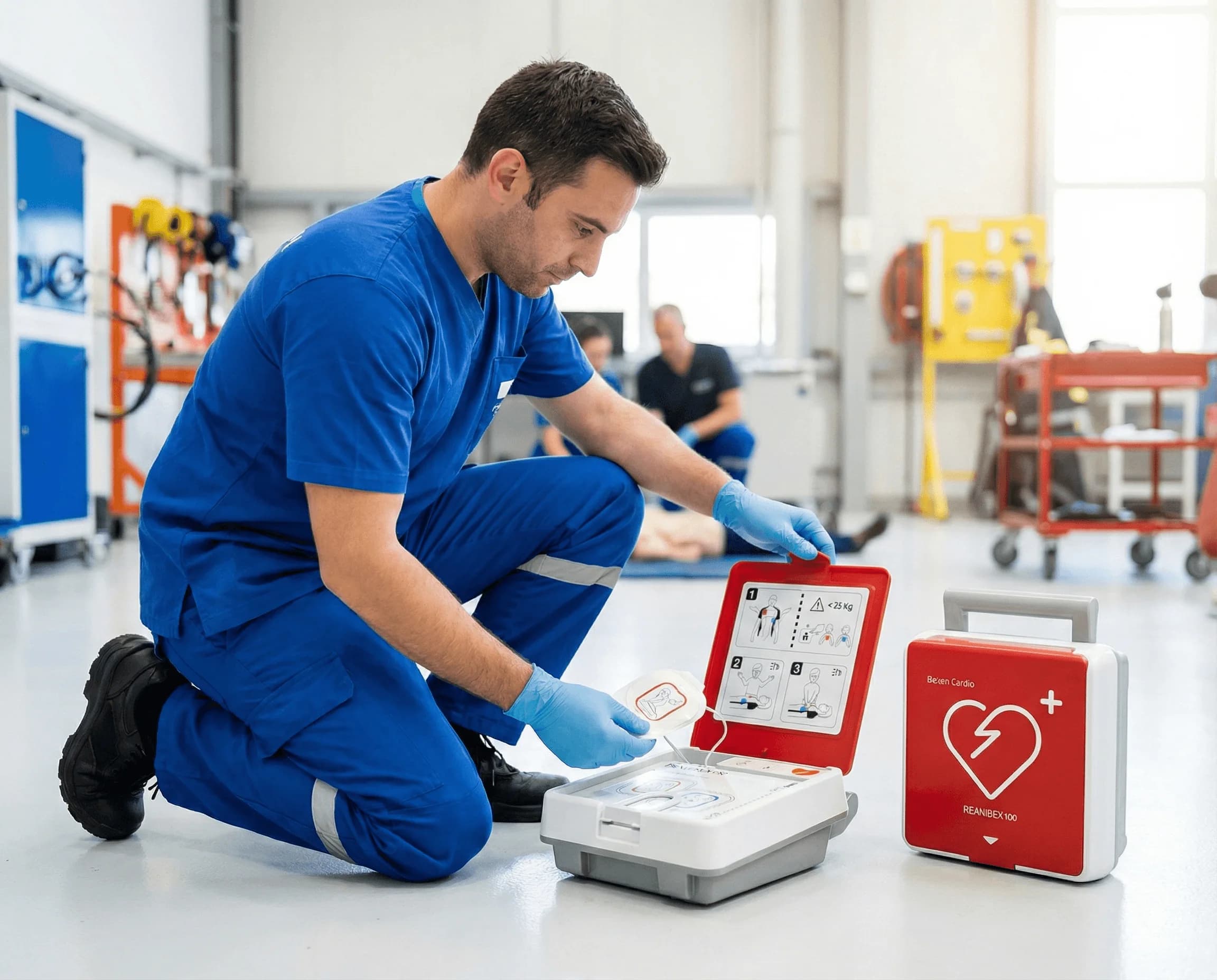
Cardiac arrest: what to tell emergency services on the phone
What to tell emergency services during a cardiac arrest: which number to call, what information to give, and phone-guided CPR while help is on the way.
Read the articleDefibrillators in museums and heritage sites: obligations
Museum, château, monument or exhibition centre: equipment deadlines by ERP category, placement, signage, maintenance and staff training for heritage venues in France.
Read the articleAED in a library or media library: obligations and best practice
Library, media library or toy library: ERP category, AED location, signage, maintenance and training of front desk staff. What the operator needs to know.
Read the articleDefibrillator in a Holiday Centre or Summer Camp
Holiday centres, trips and summer camps host children and staff, sometimes far from help. ERP classification, paediatric pads, team training and a portable defibrillator: what to check.
Read the articleAED in a gym or fitness club: obligations and good practice
Gym, fitness club or weights room: AED equipment obligations, where to place the device, training coaches and maintenance, which falls to the operator.
Read the articleDefibrillator in a spa or wellness centre: obligations
Spa, hammam, wellness centre: whether a defibrillator is mandatory depends on the ERP category. Placement, signage, maintenance and staff training explained.
Read the article