DAE, DEA, DSA: what are the differences?
Written by Cyrille GAGNAIRE, France Défibrillateur. Published on 28 July 2026.
DAE (AED), DEA and DSA are three French acronyms that all refer to defibrillators, yet they are not interchangeable. With around 50,000 sudden cardiac arrests every year in France, understanding what sets them apart helps you choose the right device for your premises. DAE is the generic term, the DEA delivers the shock automatically and the DSA requires the user to press a button. This guide clarifies the definitions, compares the two technologies, dispels common myths and sets out your regulatory obligations.
Three acronyms, one shared purpose
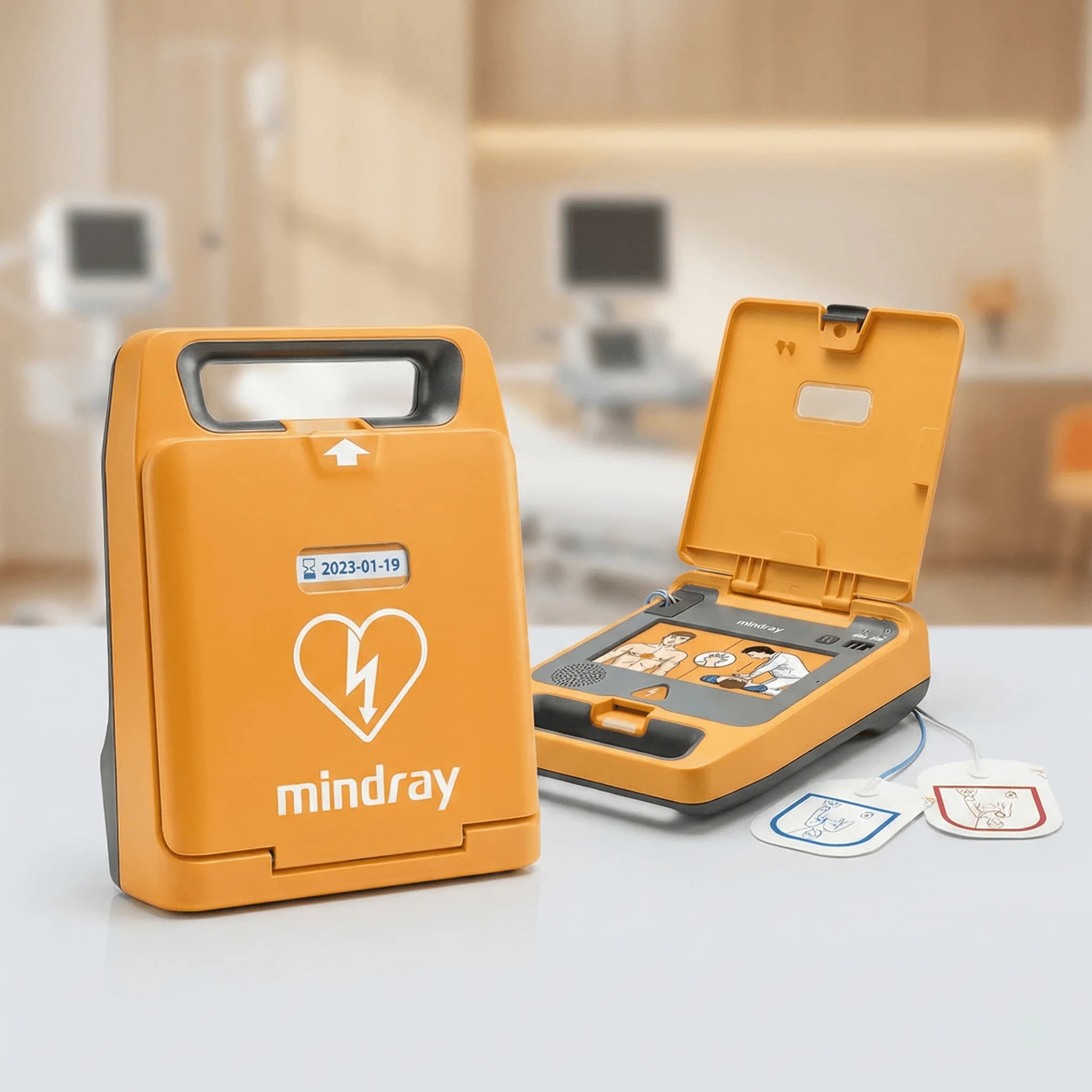
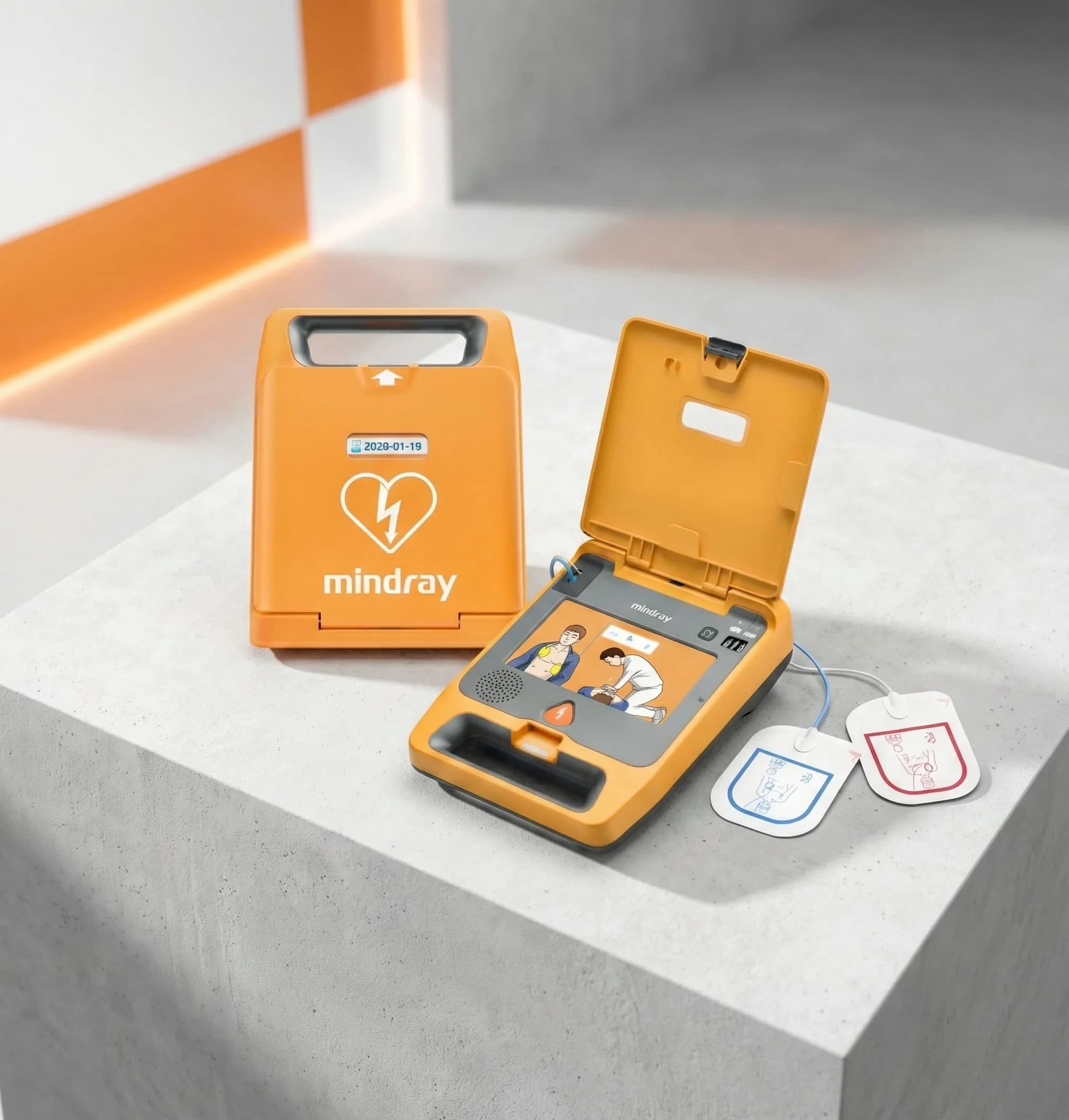
The DAE, or defibrillateur automatise externe (automated external defibrillator), is the generic term covering every defibrillator intended for public use. It is the wording you will find in the regulations as well as on the signage displayed in buildings. Behind that acronym sit two families of devices, distinguished solely by the way the electric shock is delivered.
The DEA, a fully automatic defibrillator, delivers the shock by itself after a voice prompt that warns bystanders. The DSA, a semi-automatic defibrillator, asks the user to press a button to deliver the shock once the device recommends it. In both cases, the unit analyses the casualty's heart rhythm and only advises or delivers a shock when one is genuinely needed.
This distinction should not overshadow the essential point: every minute without defibrillation reduces the chances of survival by roughly 10%. Having an accessible device on site matters far more than the choice between the two families.
DEA or DSA: the comparison table
To see at a glance what separates the two types of device, here are the criteria that genuinely make a difference, both when buying and when responding to an emergency.
Safety is identical in both cases: the only difference lies in the action asked of the rescuer, and therefore in the profile of the people likely to use the device.
| Criterion | DEA (fully automatic) | DSA (semi-automatic) |
|---|---|---|
| Shock delivery | Automatic, preceded by a voice prompt | Manual, by pressing a button when the device recommends it |
| Heart rhythm analysis | Automatic, shock only if required | Automatic, shock only if required |
| Recommended users | General public, untrained bystanders | Trained staff, qualified first aiders |
| Typical use cases | Shops, town halls, venues welcoming a varied public | Companies and organisations with trained teams |
| Risk of an unwarranted shock | None, the device decides on its own | None, the button stays inactive if no shock is required |
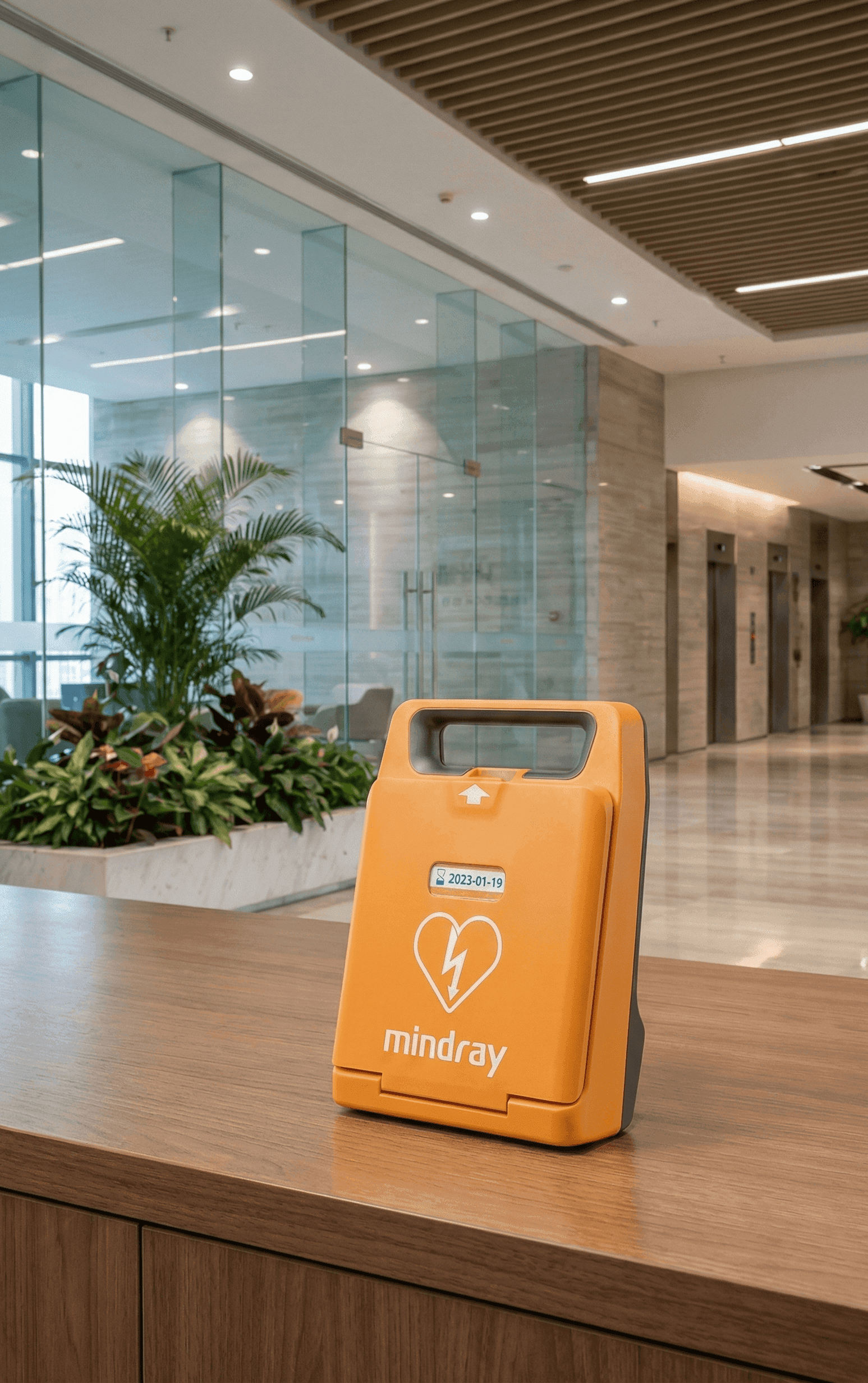
Which device should you choose for your premises?
If your defibrillator is intended for a broad, untrained public, the DEA is generally the most reassuring choice: whoever steps in has no decision to make, as the device announces the shock and delivers it itself. It is the preferred solution for town halls, shops, associations and most French public-access buildings (ERP).
The DSA remains highly relevant in organisations with trained staff: workplace first aiders, security teams and professionals used to emergency procedures. Pressing the button lets the rescuer stay in control of the exact moment of the shock, for example to make sure nobody is touching the casualty.
In budget terms, the two families sit in the same price ranges. In the France Défibrillateur catalogue, DAE units range from 350 to 2,395 euros incl. VAT, with a median price of around 1,090 euros. Rental offers a flexible alternative from 50 euros excl. VAT per month, including maintenance and consumables, with the device replaced after use.
Myths: no, you cannot shock someone by mistake
This is the most widespread fear, and it is unfounded. Whether fully or semi-automatic, a defibrillator first analyses the casualty's heart rhythm. If no shock is needed, the DEA delivers none and the DSA button has no effect. It is therefore impossible to shock a person whose heart does not require it, even by pressing the button deliberately.
Another myth is that you need to be a healthcare professional to use one. These devices are designed to guide any bystander through voice prompts. Training is certainly valuable for peace of mind, but it is not a prerequisite for taking action.
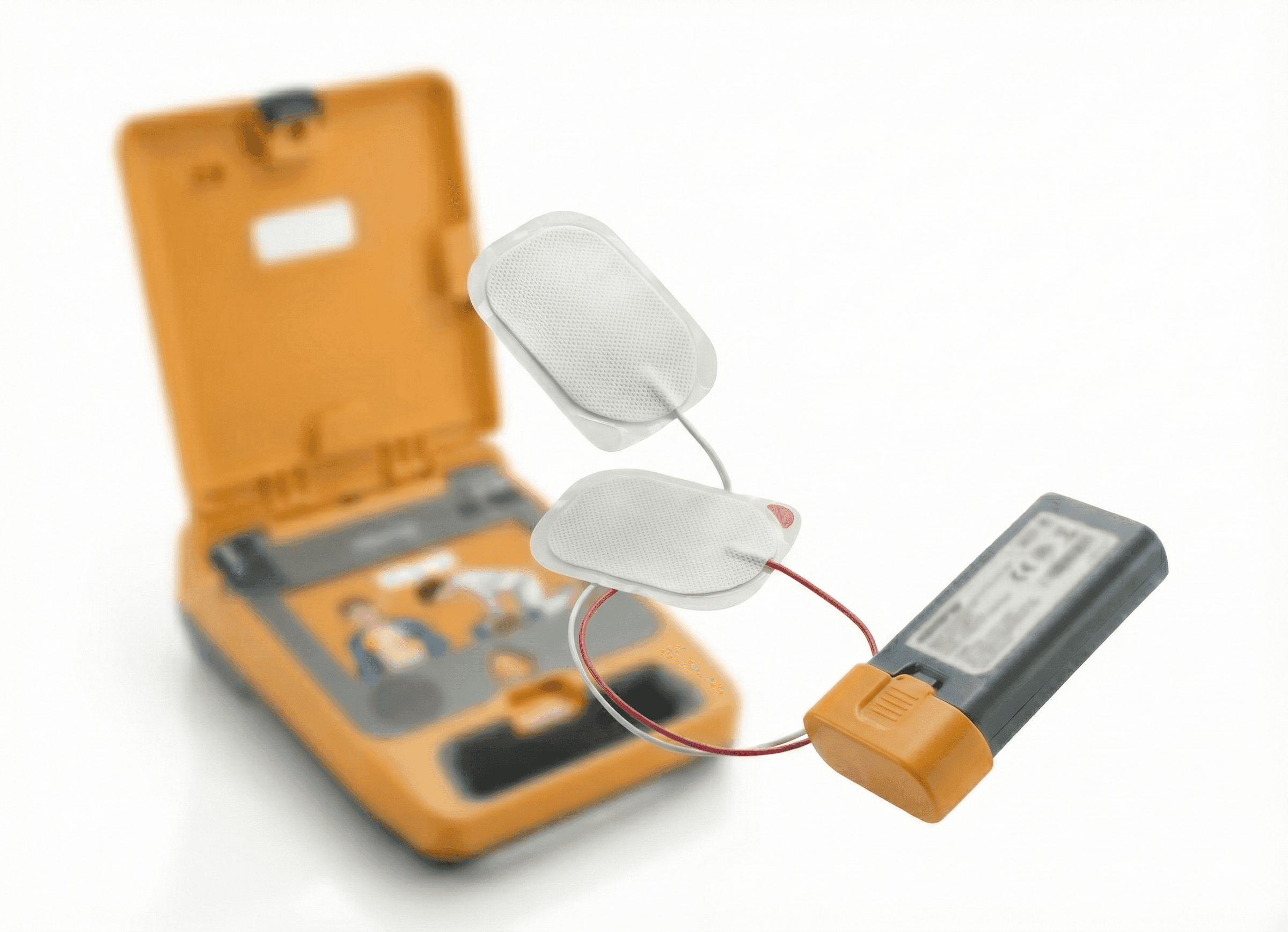
Finally, a defibrillator is not a device you install and then forget. Electrode pads are replaced every 2 to 5 years depending on the model (from 14 to 239 euros, median around 99 euros) and batteries every 3 to 5 years (from 10 to 499 euros, median around 259 euros). Properly maintained, a DAE will work for 8 to 10 years or more.
What French regulations say
Loi 2018-527 (the 2018 French act) and décret 2018-1186 (its implementing decree) made the DAE compulsory in public-access buildings: ERP in categories 1 to 3 from 1 January 2020, category 4 from 1 January 2021 and certain category 5 ERP from 1 January 2022. The legislation refers to the DAE as a whole: both DEA and DSA satisfy the requirement, and the choice between them is yours.
Three obligations come with installation: registering the device on the national GéoDAE database, putting up the signage set out in the arrêté du 29 novembre 2018 (the ministerial order of 29 November 2018) and arranging maintenance, which falls to the operator under article R. 5212-25 du Code de la santé publique (the French public health code). For local authorities, funding routes such as the DETR, the DSIL or inter-municipal contribution funds are worth checking with the relevant departments.
Support from start to finish
Choosing between a DEA and a DSA is only the first step. France Défibrillateur supports organisations throughout the device's entire life cycle: purchase or rental, installation with compliant signage and GéoDAE registration, preventive maintenance and staff training. DAE units come with a 5 year warranty, are delivered within 2 to 5 working days, and every quotation request receives a reply within 24 hours.
In short: DAE is the generic term, the DEA is the device that shocks on its own, and the DSA is the one that waits for you to press a button. The right choice simply depends on who will be using it on your premises.
Frequently asked questions
Can a defibrillator shock someone by mistake?
No. Whether it is a DEA or a DSA, the device always analyses the heart rhythm first. If the casualty's heart does not require a shock, the DEA delivers none and the DSA button stays inactive. It is therefore impossible to trigger an unwarranted shock, even accidentally.
What is the difference between DAE, DEA and DSA?
DAE, defibrillateur automatise externe (automated external defibrillator), is the generic term covering the other two. The DEA, fully automatic, delivers the shock by itself after a voice prompt. The DSA, semi-automatic, asks the user to press a button to deliver the shock recommended by the device.
Is my organisation required to have a defibrillator?
ERP in categories 1 to 3 have had to be equipped since 1 January 2020, those in category 4 since 1 January 2021 and certain category 5 ERP since 1 January 2022, under loi 2018-527 and décret 2018-1186 (the 2018 French act and its implementing decree). The device must be registered on the national GéoDAE database.
How much does a defibrillator cost to buy or rent?
In the France Défibrillateur catalogue, DAE units range from 350 to 2,395 euros incl. VAT, with a median price of around 1,090 euros. Rental starts at 50 euros excl. VAT per month, including maintenance and consumables, with the device replaced after use. DAE units sold come with a 5 year warranty.
Is a DEA or a DSA better for a venue open to the general public?
For a broad, untrained public, the DEA is often recommended: it delivers the shock automatically after a voice prompt, with no decision for the bystander to make. The DSA is better suited to organisations with trained staff, who retain control over when the shock is delivered via the button.
Planning an AED project?
Purchase, rental from 50 EUR excl. VAT per month, installation with GéoDAE registration, servicing and training: our team replies within 24 hours.