Defibrillator self-test: reading the indicator light
Written by Cyrille GAGNAIRE, France Défibrillateur. Published on 16 August 2026.
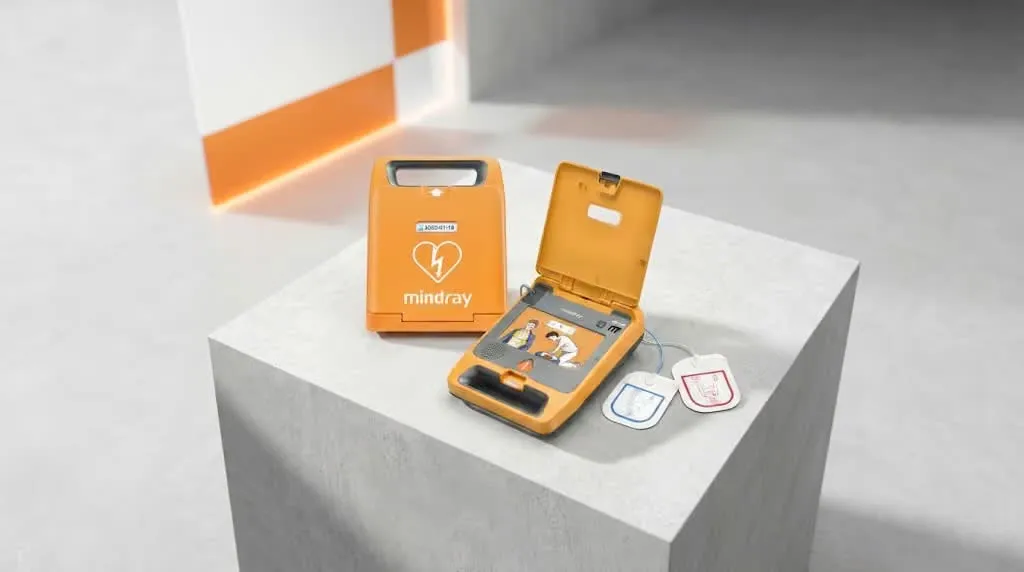
An automated external defibrillator regularly runs an internal self-test that checks its battery, its pads and its electronic circuits. This silent check shows up as a single indicator light on the case, green or red depending on the device's status. Many site managers do not know how to read this signal or what to do when it changes colour. Understanding the self-test means reacting quickly and avoiding a defibrillator being out of service exactly when it is needed.
How the self-test works
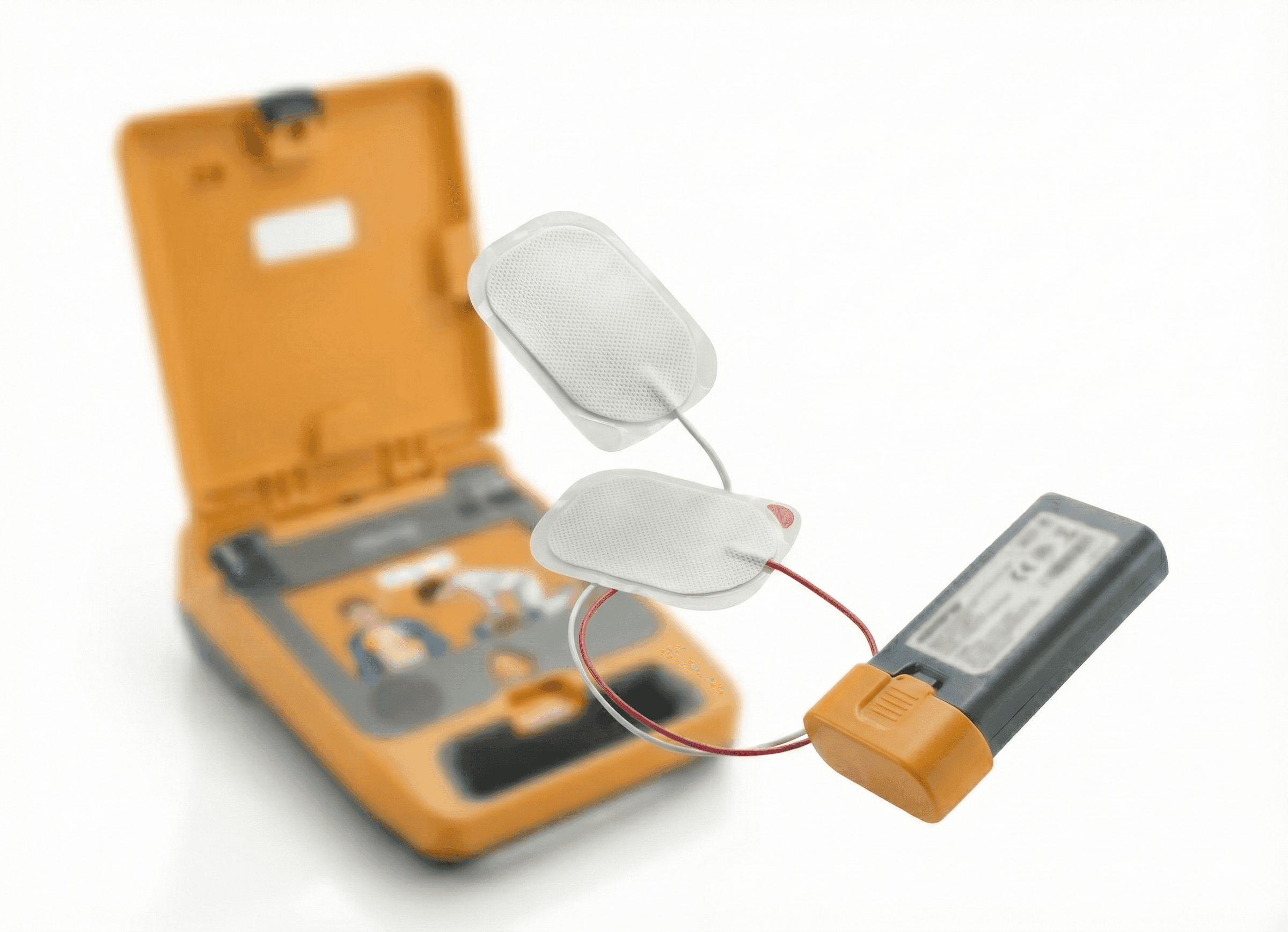
Most automated external defibrillators sold today include an automatic self-test, daily on some models, weekly or monthly on others depending on the manufacturer. The device checks the state of its battery, the presence and expiry date of the pads, and the proper operation of its internal circuits and speaker. This check runs without human involvement and without delivering a shock, staying completely invisible to people in the building.
The exact frequency is always stated in the manual supplied with the device, and it is worth knowing from the moment of installation rather than discovering it during a breakdown. Some models run a partial self-test every day and a fuller one weekly or monthly, which explains why the same unit can show two different alert levels depending on the fault detected.
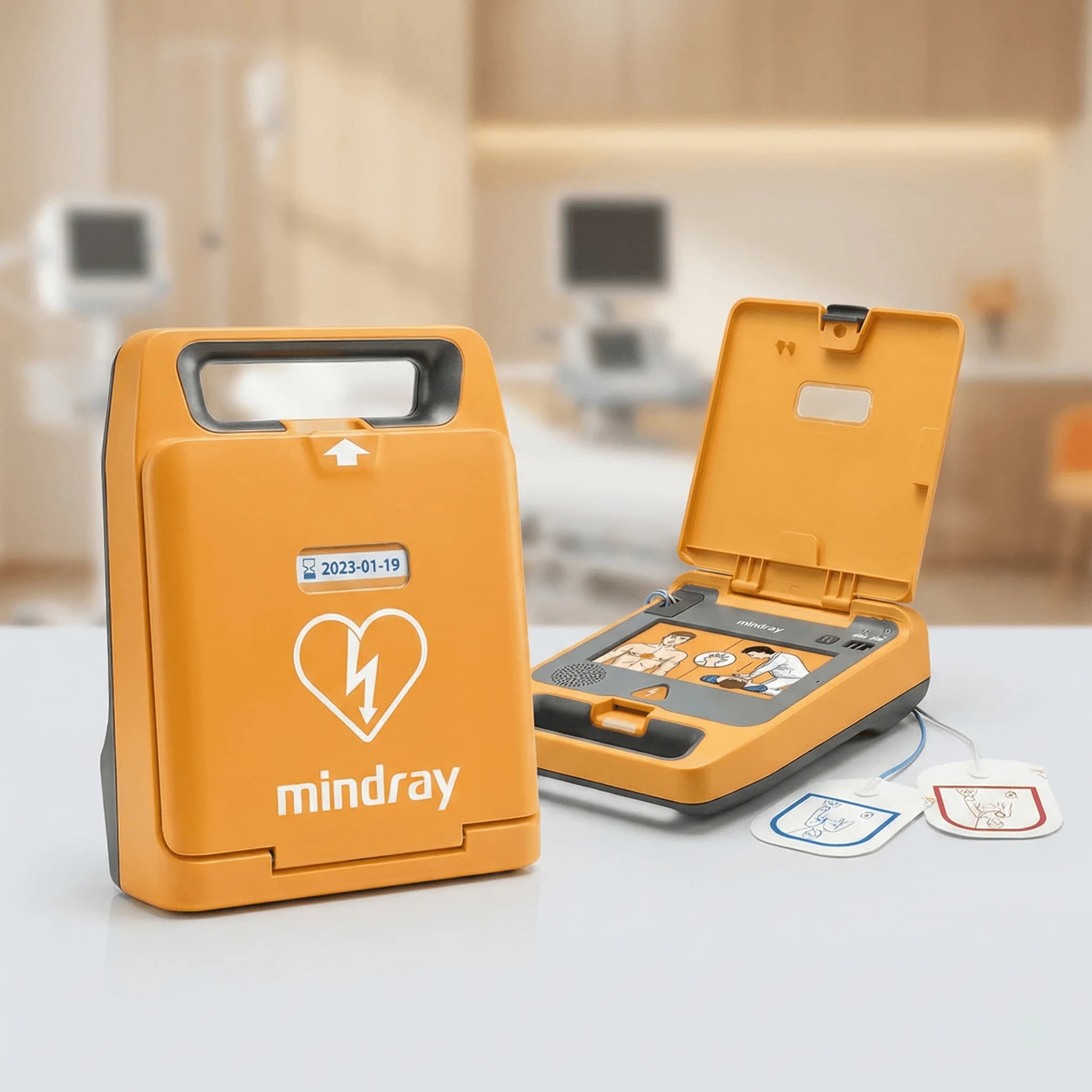
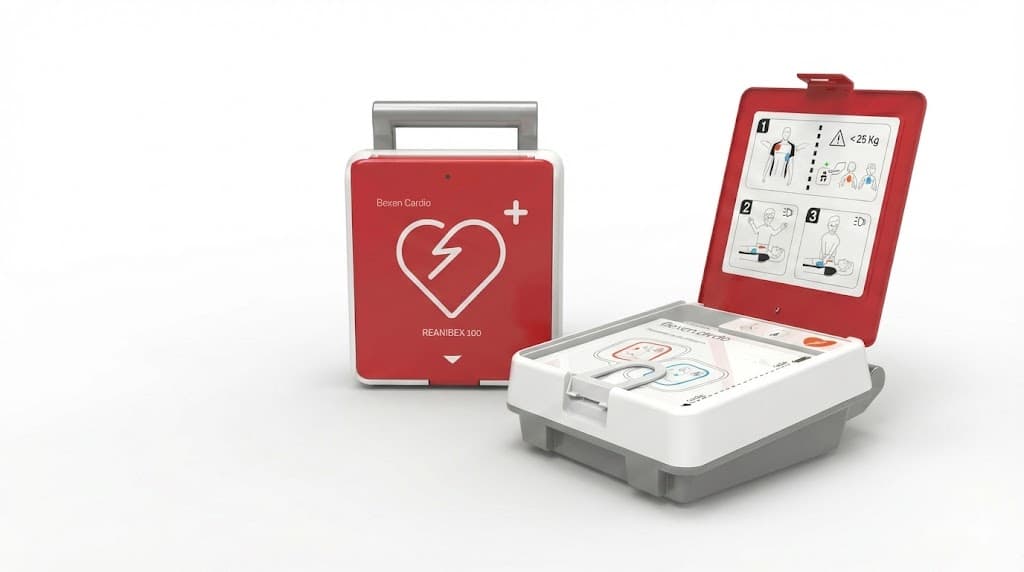
The result of this self-test is shown permanently on the front of the case through a light or, on some models, a symbol on a small screen. This is the signal to watch, since it is the first indicator of the defibrillator's operational readiness, ahead of any scheduled maintenance visit.
Reading the defibrillator's indicator light
The colour code varies slightly between manufacturers, but the logic stays the same across almost every model on the market.
| Light | Meaning | Action |
|---|---|---|
| Steady or slow-flashing green | Device ready, self-test passed | No action, keep up routine monitoring |
| Red or orange | Fault detected on the battery, pads or a circuit | Check the screen or manual, replace the faulty consumable |
| Off or absent | Power loss or self-test system fault | Check the case and battery, contact the supplier if the issue persists |
Responding to an alert
An alert does not necessarily mean the defibrillator is unusable. In most cases it means a pad is nearing its expiry date or the battery needs changing in the coming weeks. These consumables have a limited lifespan, two to five years for pads and three to five years for the battery, and replacing them is usually enough to bring the light back to green.
If the alert continues after the consumable has been replaced, or if it points to a fault in the case itself, the unit should be treated as unavailable. It should then be clearly marked, for example with a temporary notice near the case, and the maintenance provider or manufacturer should be contacted without delay to arrange a repair or a replacement.
While the situation is being resolved, tell the people responsible for site safety that the device is unavailable, so they know to call emergency services and wait for help rather than reaching for the defibrillator. On a site with several units, it can help to temporarily point people to the nearest working device.
Logging the checks in the safety register
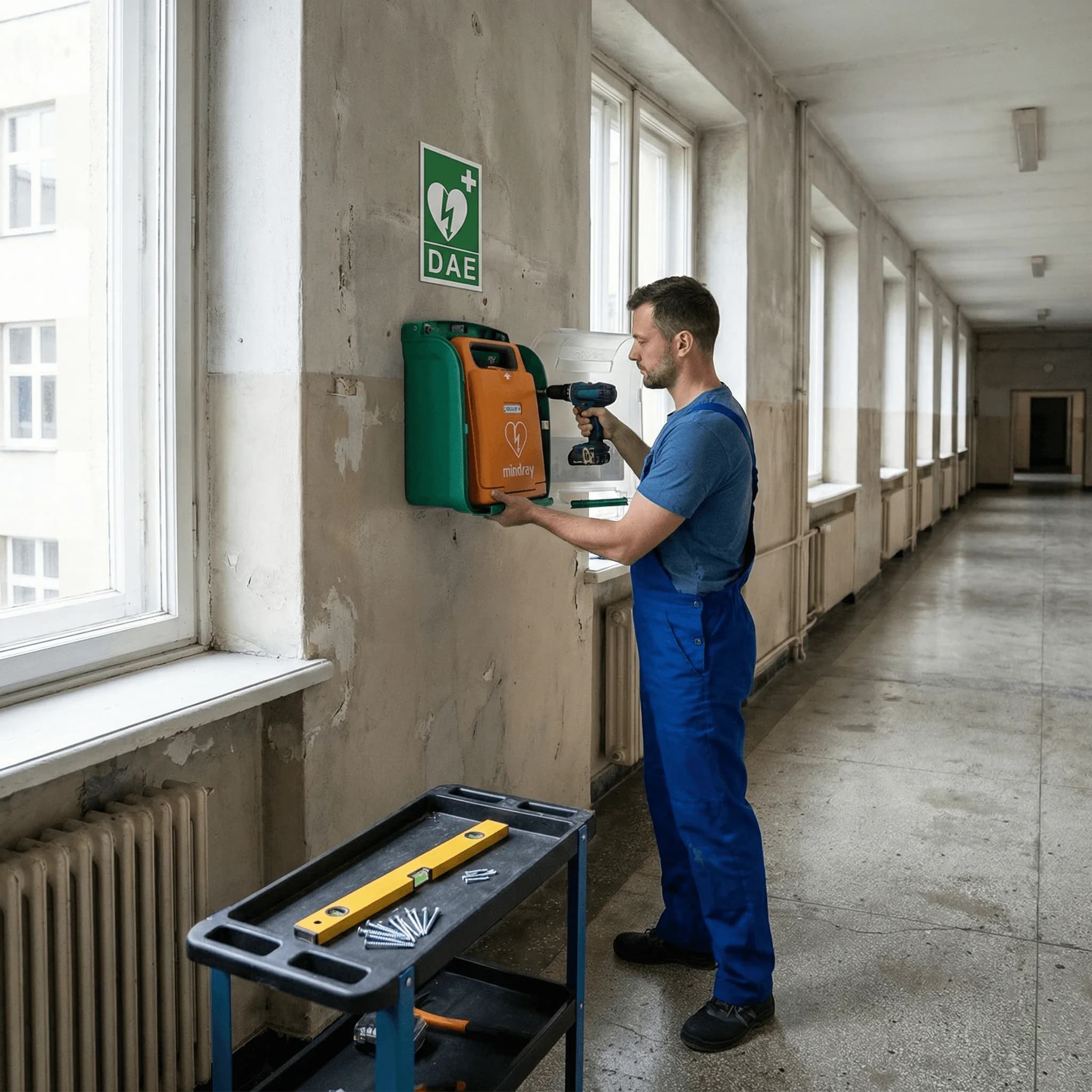
Under French law, maintenance of the defibrillator remains the responsibility of the site operator, as set out in article R. 5212-25 of the Code de la santé publique (public health code). Recording the date of visual checks, the self-test result when read manually, and consumable replacements in a register proves the device has been properly followed up in the event of an inspection or an incident. This register can be a simple folder kept near the case or a file shared between the people responsible for the site.
A self-test does not replace a visual check
The electronic self-test does not replace a regular walk past the case. A knock to the cabinet, a door left ajar, a peeling sign or a pad with an opened wrapper do not always trigger an alert. A quick monthly visual check remains the best guarantee that the defibrillator will be ready to use the day it is needed.
Handing the follow-up to a maintenance contract
For organisations that would rather hand this follow-up over, rental with maintenance included starts from 50 euros excl. VAT a month and covers replacement of the pads and battery according to their lifespan. Defibrillators bought outright come with a five-year warranty, delivery in two to five working days, and a quote issued within 24 hours for any request.
Whether the defibrillator is rented or bought, registering it in the Géo'DAE database (the French national AED registry) and keeping the safety register remain the operator's responsibility, even when a contract outsources the consumable replacements. Checking the light regularly stays a useful habit whichever route is chosen.
Frequently asked questions
Do I need to do anything if the defibrillator's light is green?
No. A green light means the self-test ran normally and the defibrillator is ready to use. No action is needed beyond keeping up the recommended monthly visual check and watching the expiry dates of the pads and battery.
What should I do if the self-test flags a low battery?
Order a new battery compatible with the defibrillator model and fit it as soon as it arrives, following the manufacturer's instructions. The light returns to green once the replacement is done and the unit is retested automatically on its next cycle.
Does the self-test replace professional maintenance?
No, it complements it. The self-test catches electronic faults and consumables reaching the end of their life, but a maintenance contract guarantees regular follow-up, a supply of original parts and a fast response to a lasting fault.
The defibrillator seems to have stopped running its self-test, what now?
A blank screen or a missing light can point to a total power loss. First check that the case is properly fixed and powered, if the model needs a mains socket, then contact the supplier if no signal returns after that check.
Should self-tests be logged in a safety register?
It is not a daily requirement, but recording visual checks and consumable replacements in a safety register helps demonstrate the device has been followed up and makes it easier to discuss any question with the maintenance provider.
Planning an AED project?
Purchase, rental from 50 EUR excl. VAT per month, installation with GéoDAE registration, servicing and training: our team replies within 24 hours.