Defibrillator Maintenance Contract: What It Should Cover
Written by Cyrille GAGNAIRE, France Défibrillateur. Published on 26 August 2026.
A DAE, an automated external defibrillator (AED), is only useful if it works on the day it is needed to save a life. French law places the upkeep of the device on the operator, but it does not spell out what a maintenance contract should cover. Self-test monitoring, replacement of consumables, response time in case of an alert: services vary widely between providers. Here is what to check before signing, whether the DAE is purchased or rented with maintenance included.
What French regulation says about maintenance
Article R. 5212-25 of the French public health code (article R. 5212-25) places responsibility for DAE maintenance on the operator, whether they own or rent the device. This obligation is not limited to an occasional visual check, it involves regular monitoring of consumables and of the device's proper functioning, recorded in a safety log.
The law sets the principle, not the practical details. It is the maintenance contract, or the rental terms when maintenance is included, that concretely defines the services covered and the response times in case of a fault.
What a serious contract should cover
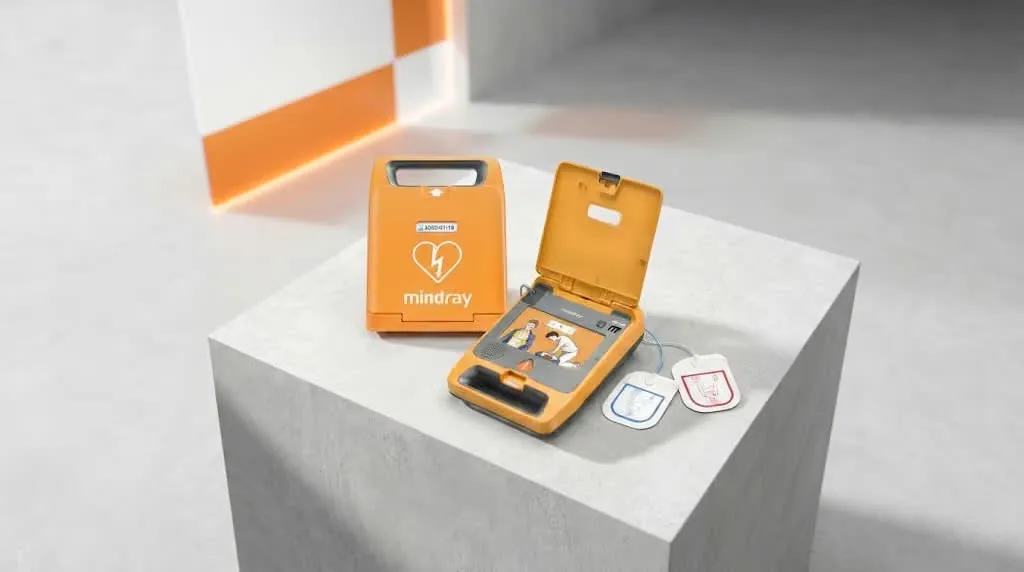
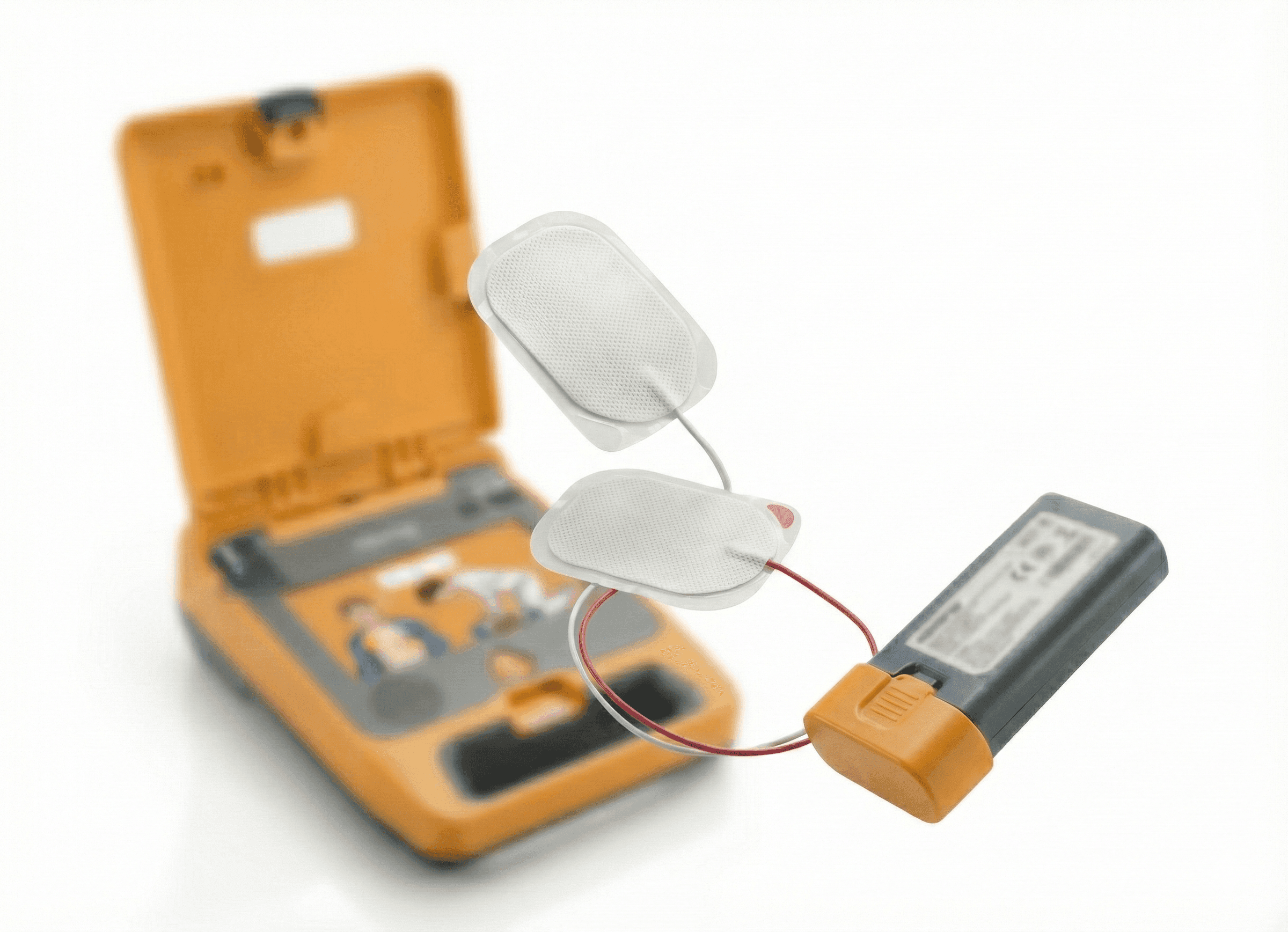
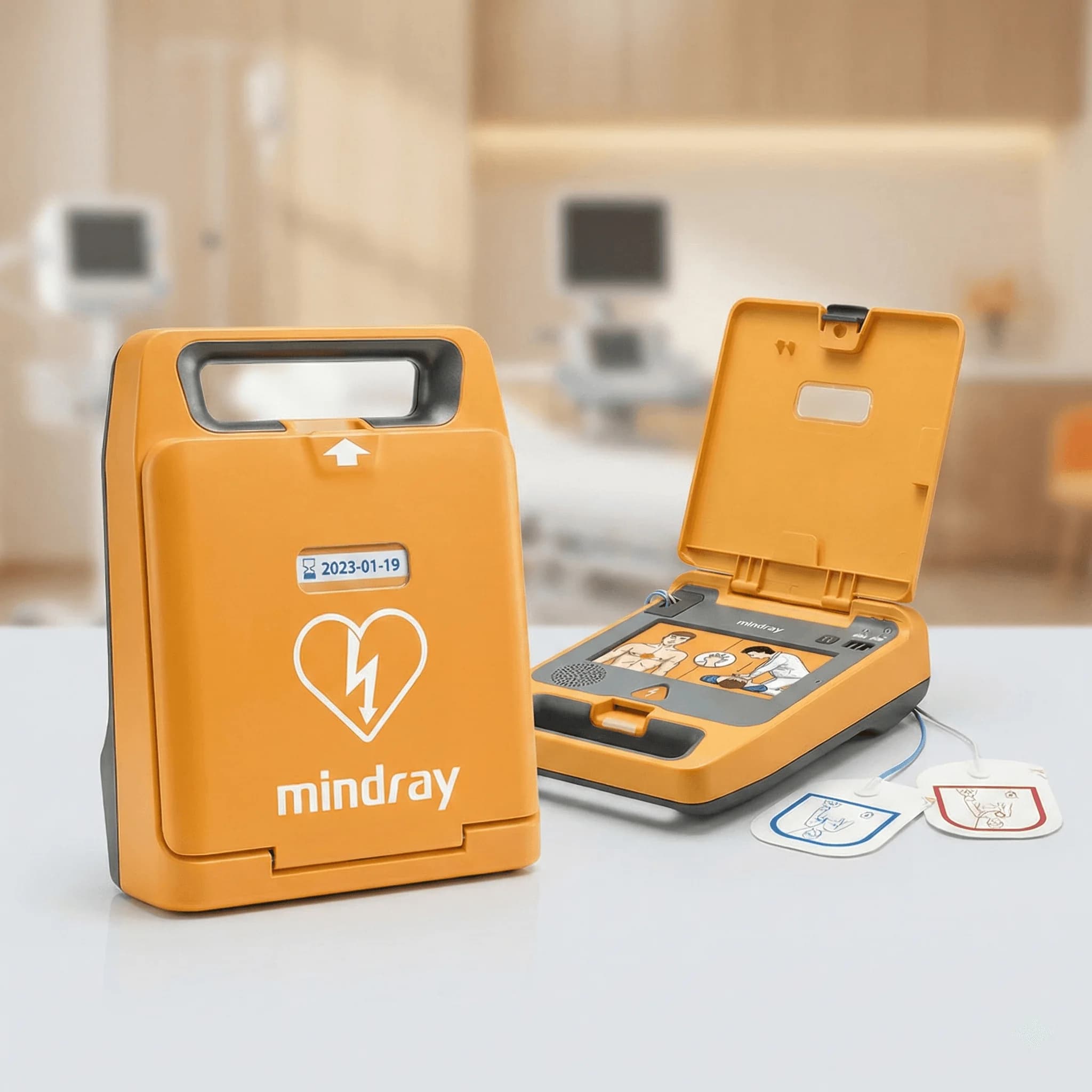
A complete maintenance contract first covers monitoring of the device's self-tests, with an alert sent to the operator or directly to the provider when a fault is detected. It should also provide for replacing the pads, which expire after two to five years depending on the model, and the battery, to be renewed every three to five years.
The contract should also state the frequency of physical checks on the device and its cabinet, provide a written report after each visit, and set out the terms for loaning a replacement DAE during an intervention.
A complete contract also specifies how interventions are logged, with the visit date, the items checked and the consumables replaced. This information feeds directly into the safety log the operator must present in the event of an inspection, instead of reconstructing the history from scattered invoices.
Response time and alert handling
In the event of a fault, theft, or a self-test alert being triggered, the provider's response time determines how available the DAE really is. A good contract states a maximum response or replacement time, not just a vague commitment to make an effort.
It should also specify who receives the automatic alerts sent by connected devices, the operator, the provider, or both, so that a fault does not go unaddressed for several weeks.
Connected defibrillators transmit their self-tests remotely, allowing the provider to anticipate a replacement before the device actually fails. A contract that includes this proactive monitoring limits periods of unavailability compared with a simple annual inspection.
Maintenance included with rental or a separate contract when buying
When the DAE is rented, maintenance is generally included in the monthly fee, from 50 euros excl. VAT per month depending on the model, which simplifies budgeting and avoids negotiating a separate provider.
For a purchased DAE, the maintenance contract is taken out separately, often for several years. It is then worth comparing what the subscription actually covers against the cost of replacing consumables on demand.
| Criterion | Rented DAE with maintenance included | Purchased DAE with separate contract |
|---|---|---|
| Cost | Included in the rent, from 50 euros excl. VAT per month | Billed separately, on top of the purchase price |
| Consumables | Pad and battery replacement included | Depends on the contract's terms |
| Commitment | Length of the rental contract | Length set at signature |
How to choose a maintenance provider
Contract clarity matters more than the sales pitch. An operator should easily identify what is included, what is billed as an extra, such as a callout for theft or damage, and the real replacement time for consumables.
The provider's responsiveness and ability to deliver quickly, in two to five business days for standard consumables, reduces the period during which the DAE would be unavailable.
A provider's local presence matters as much as its list of services. An after-sales team that can be reached quickly and can supply a replacement DAE during a repair prevents a site from going without a defibrillator for several days.
What to check before signing
Before committing, it is worth reviewing the contract's duration and termination terms, and checking that the manufacturer's warranty, usually five years, remains clearly separate from the billed maintenance services.
A detailed quote, obtained within 24 hours from a serious supplier, allows several offers to be compared objectively before choosing between a purchase with a maintenance contract and an all-inclusive rental.
It is also worth checking what is covered in case of theft or damage to the device or its cabinet, a point often treated as an option and billed separately depending on the provider.
Frequently asked questions
Is DAE maintenance mandatory?
Yes. Article R. 5212-25 of the French public health code (article R. 5212-25) requires the operator to keep their DAE in proper working order, whether purchased or rented. This obligation includes monitoring self-tests, replacing pads and the battery before they expire, and keeping a safety log recording the checks carried out.
What happens if the operator does not carry out maintenance?
A poorly maintained DAE risks failing at the critical moment, which exposes the operator's liability in the event of an incident. A clear maintenance contract, with alerts followed up and consumables renewed on time, avoids this situation and helps demonstrate compliance with the legal obligation during an inspection.
Is maintenance included when renting?
In most rental offers, maintenance is built into the monthly fee, from 50 euros excl. VAT, with pad and battery replacement included. This is one of the reasons some operators prefer renting over buying, to avoid managing a separate maintenance contract.
How much does a maintenance contract cost for a purchased DAE?
The cost depends on the services covered, the device model and how often consumables need replacing. Comparing several quotes, usually provided within 24 hours, helps assess the balance between the contract's annual price and the cost of buying consumables on demand, pads every two to five years and the battery every three to five years.
Does a site need a specific contract for pediatric pads?
Pediatric pads follow the same expiry rules as adult pads, between two and five years depending on the model. A maintenance contract covering a site that welcomes children should therefore explicitly provide for tracking and replacing them, just like the device's standard consumables.
Planning an AED project?
Purchase, rental from 50 EUR excl. VAT per month, installation with GéoDAE registration, servicing and training: our team replies within 24 hours.