Recovery Position or Cardiac Arrest: How to Tell Them Apart
Written by Cyrille GAGNAIRE, France Défibrillateur. Published on 27 August 2026.
Faced with an unconscious person, a bystander often hesitates between the recovery position and chest compressions. These two actions do not respond to the same situation, and mixing them up can cost precious time. One applies to a victim who is breathing normally, the other to a victim in cardiac arrest, for whom every minute without defibrillation reduces the chance of survival by roughly ten percent. Telling them apart in a few seconds genuinely changes the outcome.
Assessing the victim before acting
The first step is to check for consciousness by speaking loudly and gently shaking the shoulders. If the person does not respond and shows no reaction to pain, they are unconscious. What comes next determines everything else: tilt the head back to open the airway, then look and listen for breathing for no more than ten seconds.
Normal breathing shows as a regular chest movement with an audible breath. Irregular movements, occasional gasps, or noisy, jerky breathing are not signs of normal breathing. They often mark the first minutes of a cardiac arrest and should immediately trigger a call for emergency help and chest compressions, not the recovery position. When in doubt about the quality of the breathing, it is always safer to act as if the victim is not breathing and start compressions right away.
The recovery position, step by step
The recovery position is for an unconscious victim who is breathing normally. The bystander kneels beside the victim, places the nearer arm at a right angle with the palm facing up, then bends the other arm across the chest, resting the back of the hand against the far cheek. Grasping the far leg just above the knee, the bystander rolls the victim onto their side by pulling on that leg, while keeping the hand pressed against the cheek.
Once the victim is on their side, the upper leg is adjusted to a right angle to keep the position stable, and the head is tilted slightly downward to let fluids drain from the mouth. The bystander calls or has someone call the emergency number, then keeps watching the breathing until help arrives, ready to switch to resuscitation if it stops. This watch never stops until trained emergency staff take over, because an unconscious victim's condition can change quickly.
Why the recovery position does not fit cardiac arrest
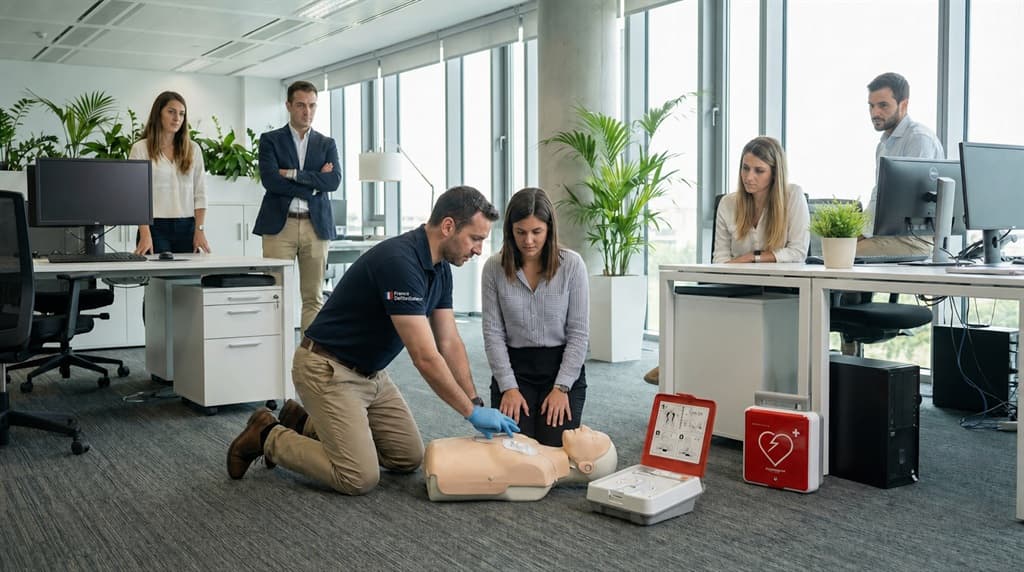
Placing a victim in cardiac arrest into the recovery position amounts to settling a heart that has stopped beating without giving it any blood circulation. Starved of oxygen, the brain suffers damage that worsens with every passing minute. The only effective response is chest compressions, started without delay and paired as soon as possible with an automated external defibrillator (AED).
This is why checking the breathing takes priority over everything else. An unconscious victim who is not breathing normally, or whose breathing stops during recovery-position monitoring, must be rolled onto their back immediately to start chest compressions. Doubt should never delay this action, uncertain breathing is treated the same as no breathing at all.
The defibrillator, an essential partner to chest compressions
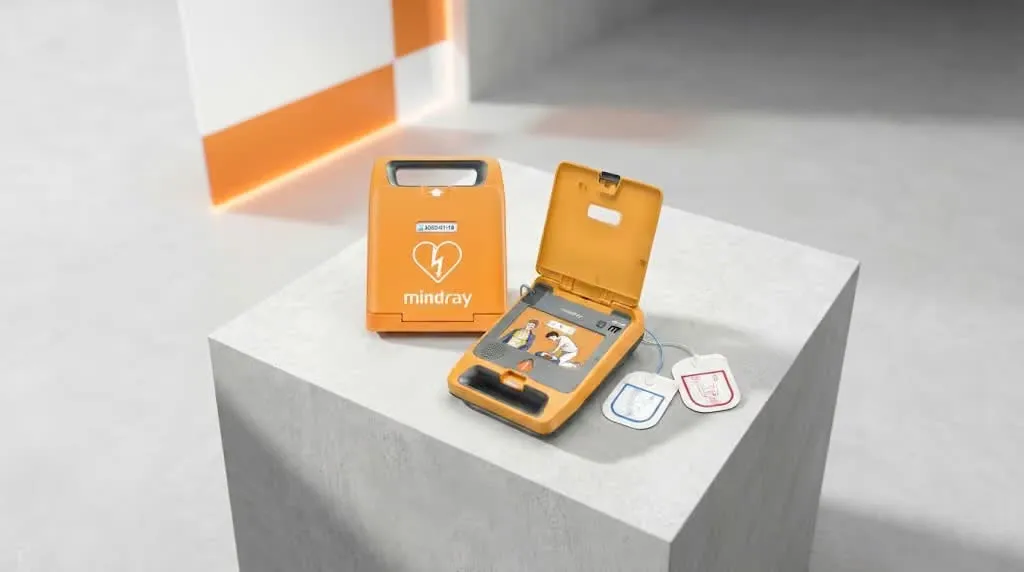
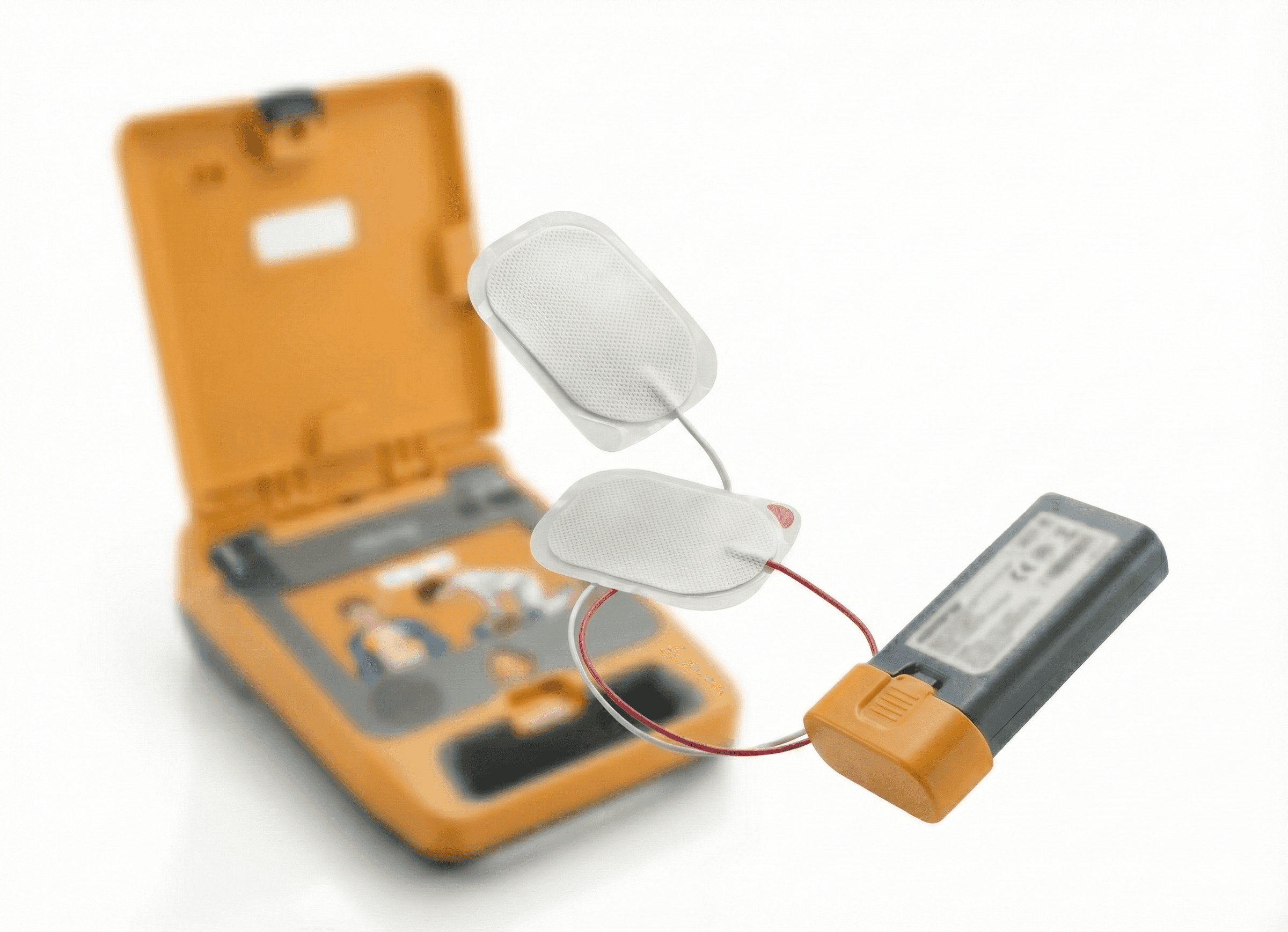
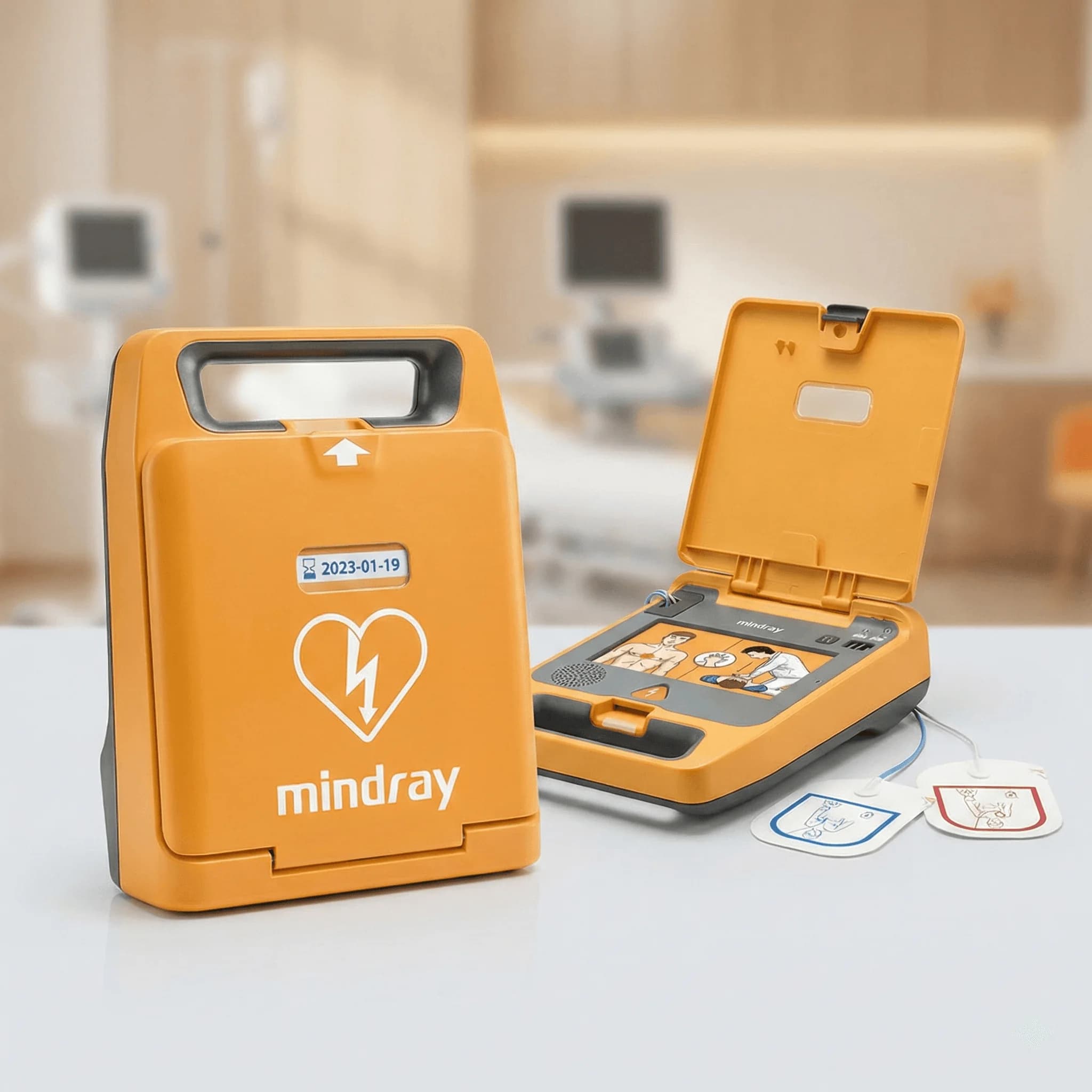
As soon as a cardiac arrest is recognised, someone should fetch the defibrillator without interrupting the chest compressions already under way. An AED guides the bystander through voice prompts, automatically analyses the heart rhythm through its pads, and delivers a shock only if the heart genuinely needs one. No prior training is required to use it, the device walks the user through every step.
Chest compressions resume immediately after the analysis or the shock, without a prolonged pause, and continue until professional emergency responders take over or the victim shows signs of regaining consciousness. This cycle of compressions and AED analysis is the most effective sequence while waiting for medical teams to arrive.
Common mistakes with an unconscious victim
The most frequent mix-up is placing someone who is actually no longer breathing normally into the recovery position, out of fear of doing the wrong thing or unfamiliarity with agonal gasps. Another common mistake is stopping chest compressions for too long to fetch the defibrillator personally, when it is better to send a second bystander to get it while compressions continue.
Some bystanders also hesitate to use the defibrillator, worried about making a mistake or harming the victim further. Yet the device analyses the heart rhythm before delivering any shock and only does so if it is actually needed. Waiting for confirmation or permission before using it wastes precious time, when every minute matters for the chances of survival.
Frequently asked questions
How do you know if someone is breathing normally?
By gently tilting the head back to open the airway, then watching the chest movement and listening for breath sounds for up to ten seconds. Regular movement with an audible breath means normal breathing. Occasional gasps, noisy or jerky breathing are not normal and usually signal a likely cardiac arrest.
Should chest compressions continue after a shock from the defibrillator?
Yes. The defibrillator does not restart effective circulation on its own, it only restores a heart rhythm compatible with life in some cases. Chest compressions resume right after the shock, or after the analysis if no shock is advised, and continue until help arrives or the victim shows signs of regaining consciousness.
Can an untrained bystander use a defibrillator?
Yes, an automated external defibrillator (AED) is designed to be used without any prior training. The device guides every step through voice prompts, from placing the pads to delivering a shock if needed, and analyses the heart rhythm on its own. Basic first-aid awareness still helps a bystander act with more confidence.
Does the recovery position delay the arrival of emergency help?
No, it has no effect on that delay, but it never replaces calling emergency services, which should happen as soon as unconsciousness is confirmed. The real danger appears when the recovery position is wrongly applied to a victim in cardiac arrest, delaying chest compressions and defibrillator use.
What should be done if breathing stops during recovery-position monitoring?
The victim must be rolled onto their back immediately to start chest compressions, without waiting for further confirmation. Someone should then request an automated external defibrillator if this has not already been done, and use it as soon as it arrives, following its voice prompts while compressions continue.
Planning an AED project?
Purchase, rental from 50 EUR excl. VAT per month, installation with GéoDAE registration, servicing and training: our team replies within 24 hours.