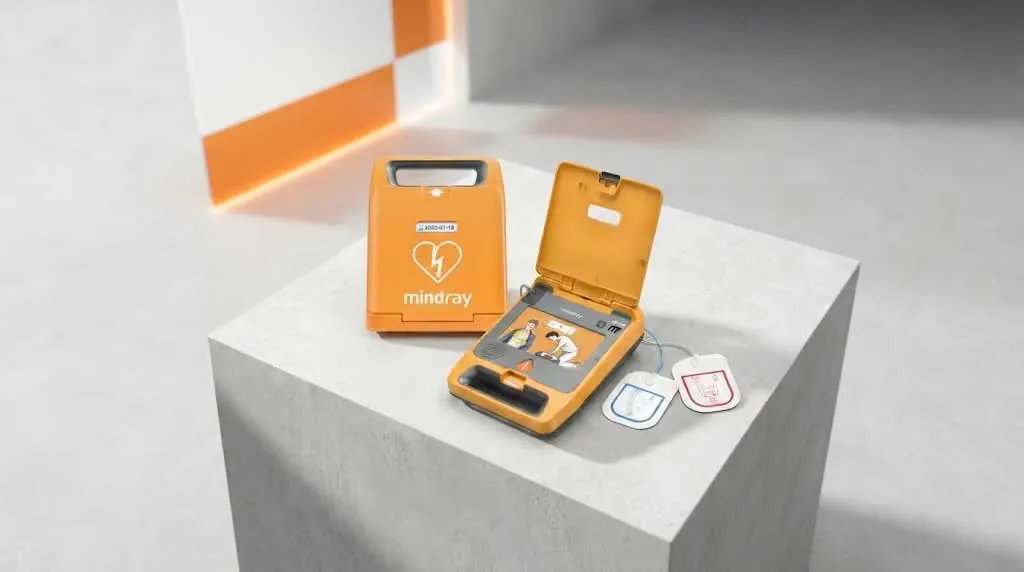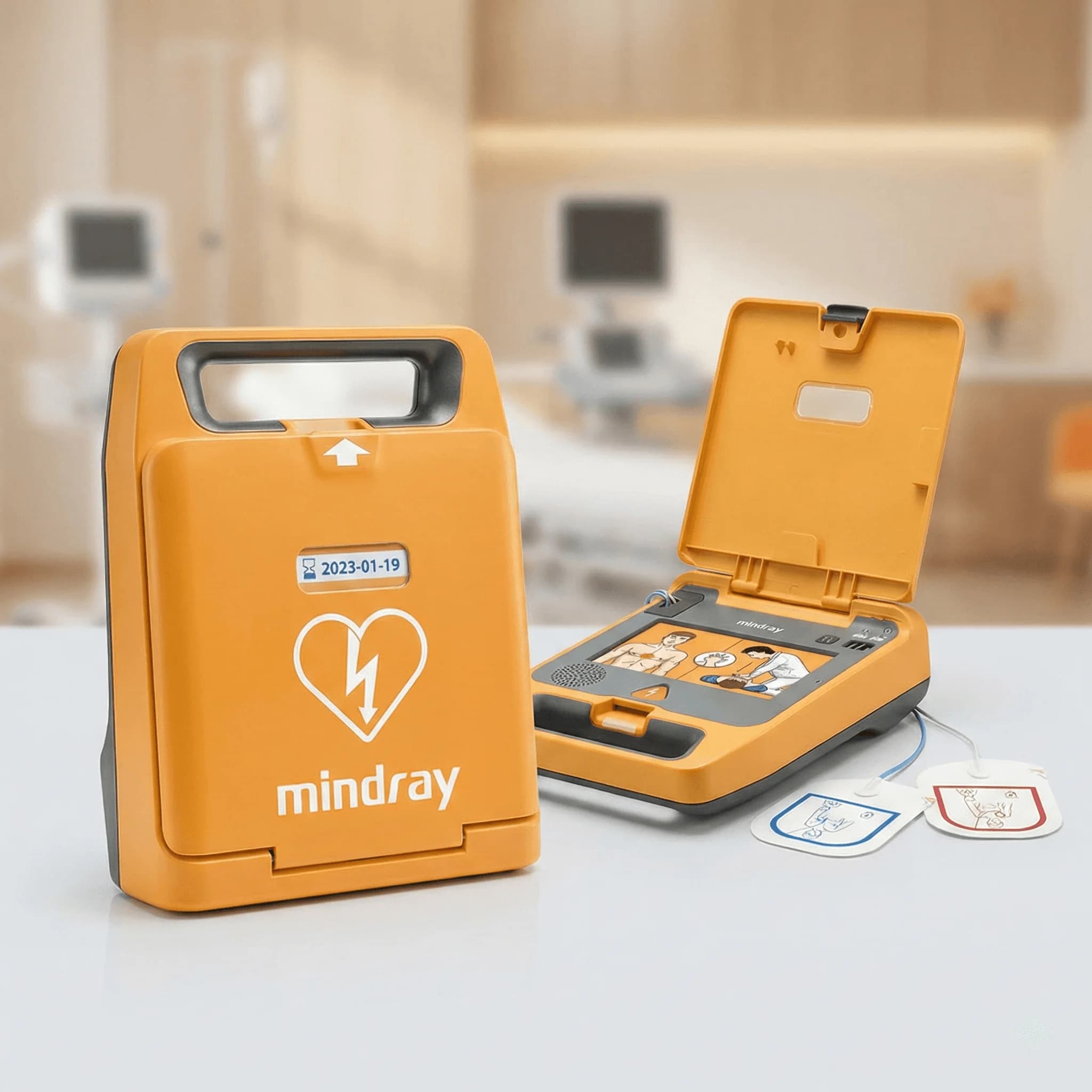
Defibrillator in a boarding school or student residence
Written by Cyrille GAGNAIRE, France Défibrillateur. Published on 24 October 2026.
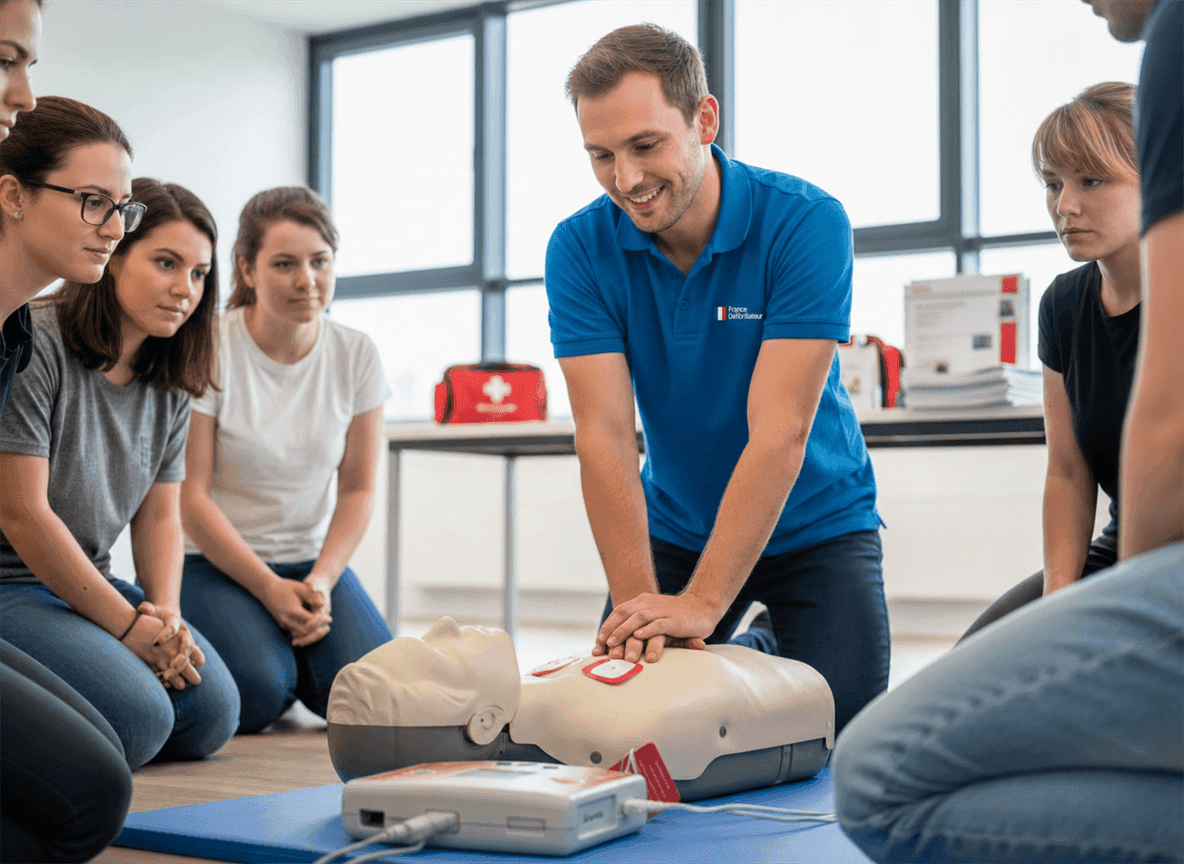
A boarding school or student residence houses young people day and night, with limited supervision in the evening and at weekends. Cardiac arrest is rare there, but it can happen during exercise, after a collapse or in the middle of the night. This article explains whether your establishment must be equipped, where to place the device so it stays reachable at any hour, how to maintain it and who to train.
A living space occupied day and night
Unlike a classroom, a boarding school does not empty in the evening. Pupils sleep, study, eat and sometimes play sport in corridors or the courtyard. A student residence adds visitors, isolated rooms and management teams present only during the day.
About 50,000 cardiac arrests occur in France every year, and each minute without defibrillation reduces the chances of survival by about 10%. At night, when a single supervisor covers dozens of rooms, every minute counts even more. The device must already be in the building, not at the other end of the campus.
What obligation applies to your establishment
The equipment obligation rests on loi 2018-527 (French law of 2018) and décret 2018-1186 (its implementing decree). It applies to ERP (établissements recevant du public, buildings open to the public) according to their category: categories 1 to 3 have been equipped since 1 January 2020, category 4 since 2021, and some category 5 establishments since 2022.
A boarding school attached to a secondary school generally follows the classification of the school itself. A student residence or youth hostel may be classified differently depending on its management and capacity. The manager should therefore check the category with the safety commission or the owning local authority.
Where the obligation does not apply, the operator remains responsible for the safety of residents. Equipping the building is the simplest answer, and it also protects staff, visitors and neighbours.
Where to install the device
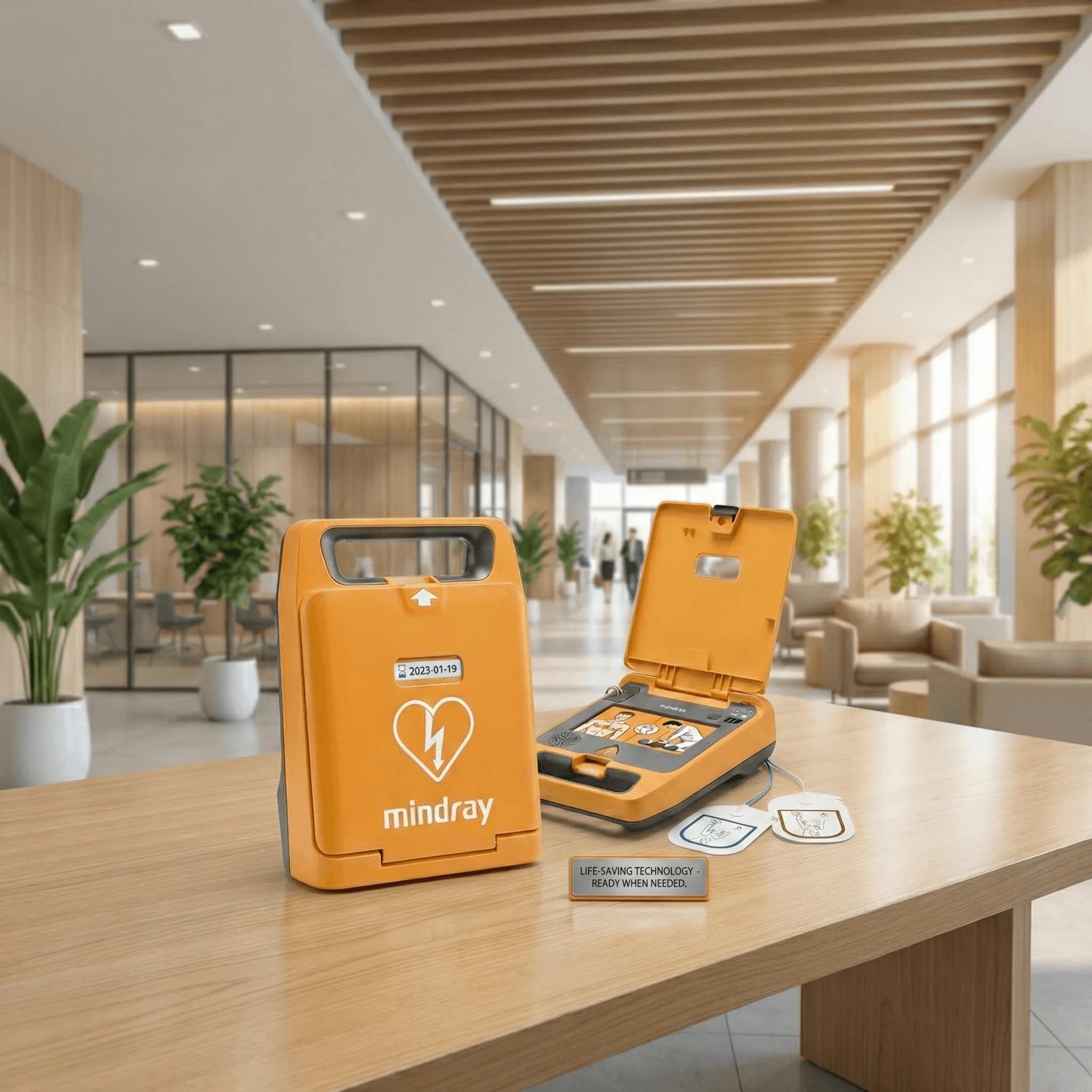
The main pitfall is night-time access. An AED (automated external defibrillator) kept in a locked office or in the administration wing is useless at two in the morning. It must be in a common area that is permanently accessible and known to both the supervisor and the residents.
In a boarding school, the entrance hall, the main corridor near the supervisor's lodge or the canteen are relevant locations. In a residence, favour the shared entrance, well lit and visible from the lodge or caretaker's room. An indoor cabinet is enough if the hall is heated; an outdoor cabinet is needed for access from the street.
| Area | Point of attention | Suitable response |
|---|---|---|
| Entrance hall | Constant traffic, night lighting | Preferred location, signs visible from the door |
| Supervisor's corridor | Human presence at night | Cabinet visible from the lodge |
| Canteen and common room | High attendance at mealtimes | Clear signage along the route |
| Floors and bedrooms | Distance, stairs | Evacuation plan showing the nearest device |
Signage, plans and informing residents
Signage follows the arrêté du 29 novembre 2018 (French order of 29 November 2018): defibrillator pictogram and direction arrows from the entrances. In a boarding school, it must remain legible when lighting is reduced, and appear on the evacuation plan displayed on each floor.
Young people arrive every September, often without knowing the building. A presentation at the start of term, with the location of the device and the emergency number, saves minutes. Registration in GéoDAE is mandatory; it lets emergency services guide a caller to the nearest device.
Maintenance and staff training
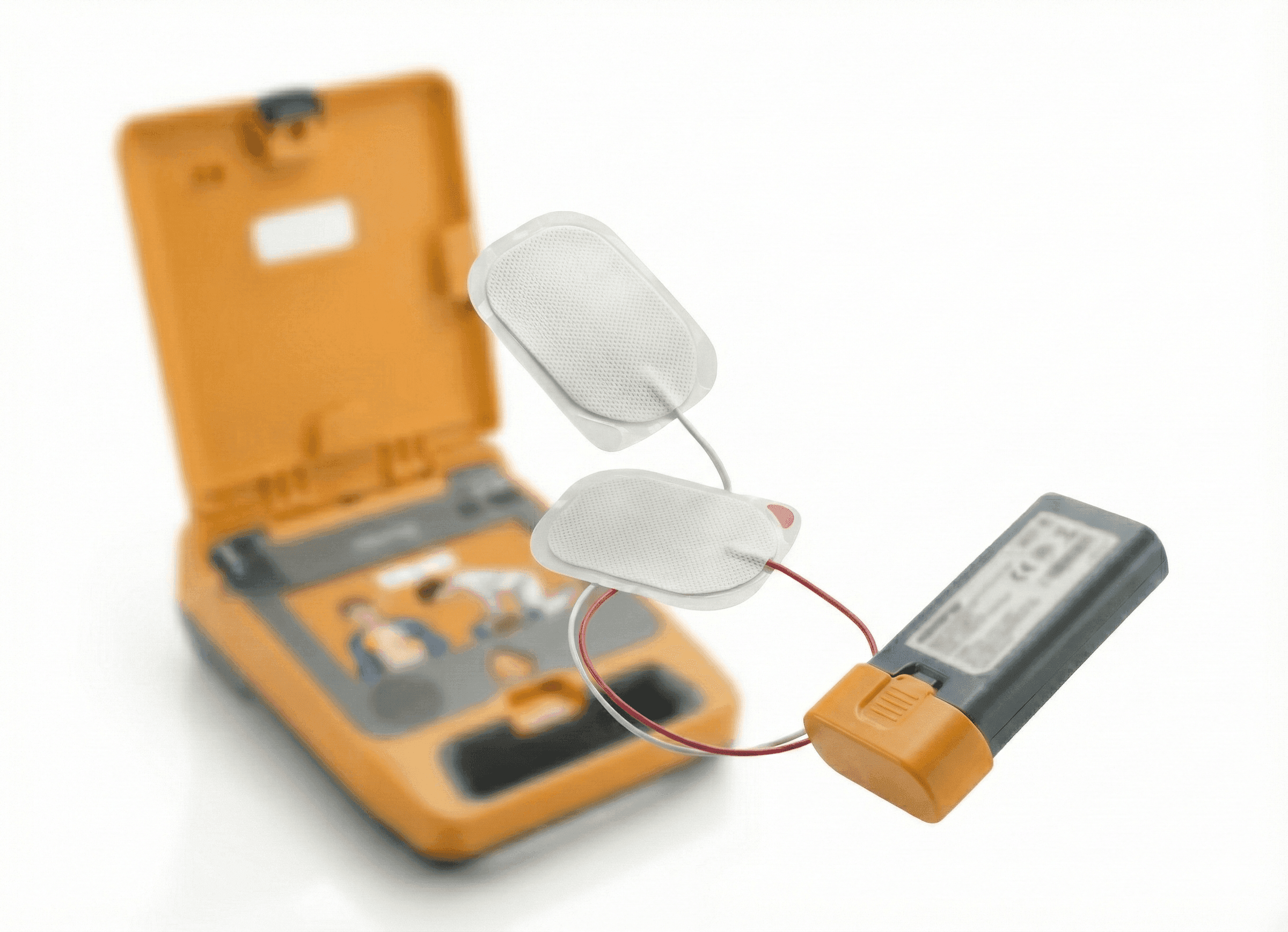
Maintenance is the operator's responsibility under article R. 5212-25 du Code de la santé publique (French Public Health Code). The operator checks the self-test indicator, tracks deadlines and replaces consumables on time: electrodes last 2 to 5 years, batteries 3 to 5 years, and the device 8 to 10 years and more. During school holidays, when the building is closed, plan one check at closing and another at reopening.
Rental, from 50 € excl. VAT per month with maintenance included, relieves the manager of consumables tracking. The warranty is 5 years, delivery takes 2 to 5 working days and a quote is provided within 24 hours.
Boarding supervisors, education assistants, reception staff and caretakers are the first on the scene. Awareness training in life-saving first aid lets them call for help, perform compressions and attach the device. For night teams, an on-site exercise carried out at night reveals weaknesses: locked door, insufficient lighting, missing phone.
Frequently asked questions
Must a boarding school have a defibrillator?
It depends on the ERP category. Categories 1 to 4 are subject to the obligation, as are some category 5 establishments since 2022. A boarding school generally follows the classification of the school. The safety commission confirms the category.
Where should a student residence place its defibrillator?
In a common area accessible at any hour, such as the entrance hall or near the lodge. Avoid a locked office. Signage must be legible at night and the location shown on evacuation plans.
Who handles maintenance in a boarding school?
The operator, under article R. 5212-25 du Code de la santé publique. The operator checks the self-test, replaces electrodes and battery when due, and can entrust this to a provider through a rental with maintenance included.
Should night staff be trained?
Training is not always mandatory, but it is strongly recommended for night supervisors and caretakers, who are often alone. Awareness of life-saving first aid lets them call for help, perform compressions and use the device without hesitation.
Planning an AED project?
Purchase, rental from 50 EUR excl. VAT per month, installation with GéoDAE registration, servicing and training: our team replies within 24 hours.