Cardiac Arrest in Women: Warning Signs Too Often Missed
Written by Cyrille GAGNAIRE, France Défibrillateur. Published on 25 September 2026.

In France, around 50,000 cardiac arrests occur every year, and women are affected almost as often as men. Yet their symptoms are more often dismissed, blamed on anxiety or tiredness, which delays the call for help and the use of a defibrillator. This guide explains why women are diagnosed later, why first aid steps stay exactly the same, and how an automated external defibrillator (AED) works the same way regardless of sex or age.
Signs that do not always look like a heart attack
The classic image of cardiac arrest is a sudden, crushing pain in the centre of the chest that doubles the victim over. In many women, the episode looks different: a diffuse ache in the back, between the shoulder blades, pain in the jaw or left arm, sudden breathlessness without marked pain, nausea, or intense fatigue appearing within minutes.
These signs, less dramatic than classic chest pain, are frequently blamed on stress, indigestion or a panic attack, even by the women experiencing them. Time lost hesitating before calling for help directly reduces the chances of survival, since every minute without defibrillation cuts those chances by around 10 percent.
Why is the diagnosis delayed more often in women?
Several factors combine. Atypical symptoms do not always match the shared mental picture of a heart attack, which delays awareness both for the victim and for those around her. A diffuse ache is more easily blamed on tiredness or stress than an intense pain in the centre of the chest, and that hesitation wastes precious time before the emergency call is made.
This delay translates directly into a longer wait before the alarm is raised and first aid begins. In cardiac arrest, speed matters more than anything else: starting compressions early and defibrillating early changes the outcome directly, regardless of the victim's sex.
First aid steps do not change with the victim's sex
Faced with someone unconscious who is not breathing normally, the response is identical for a man and a woman: call the emergency services, start chest compressions immediately, and ask for the nearest defibrillator. No adjustment to the compressions or their rate is needed based on the victim's sex.
The only hesitation that sometimes remains concerns placing the pads on a woman's chest. The chest must be bared without delay, an underwired bra removed if it blocks contact with the pads, and the skin quickly dried if needed. This step must never be delayed out of modesty: the device can only analyse the heart rhythm and decide on a shock if the pads are placed directly on bare skin.
The defibrillator reads the heart, not the victim's profile
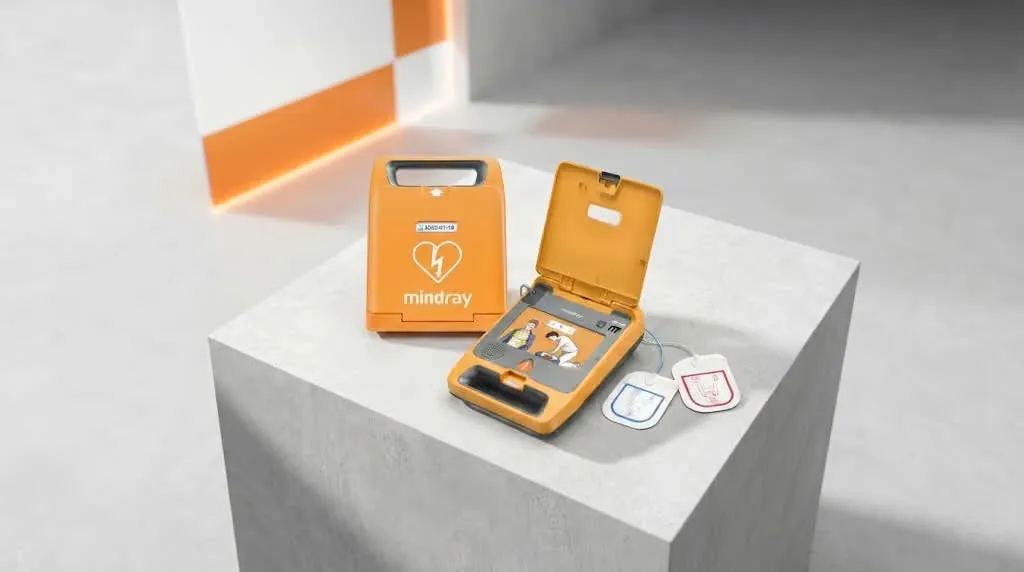
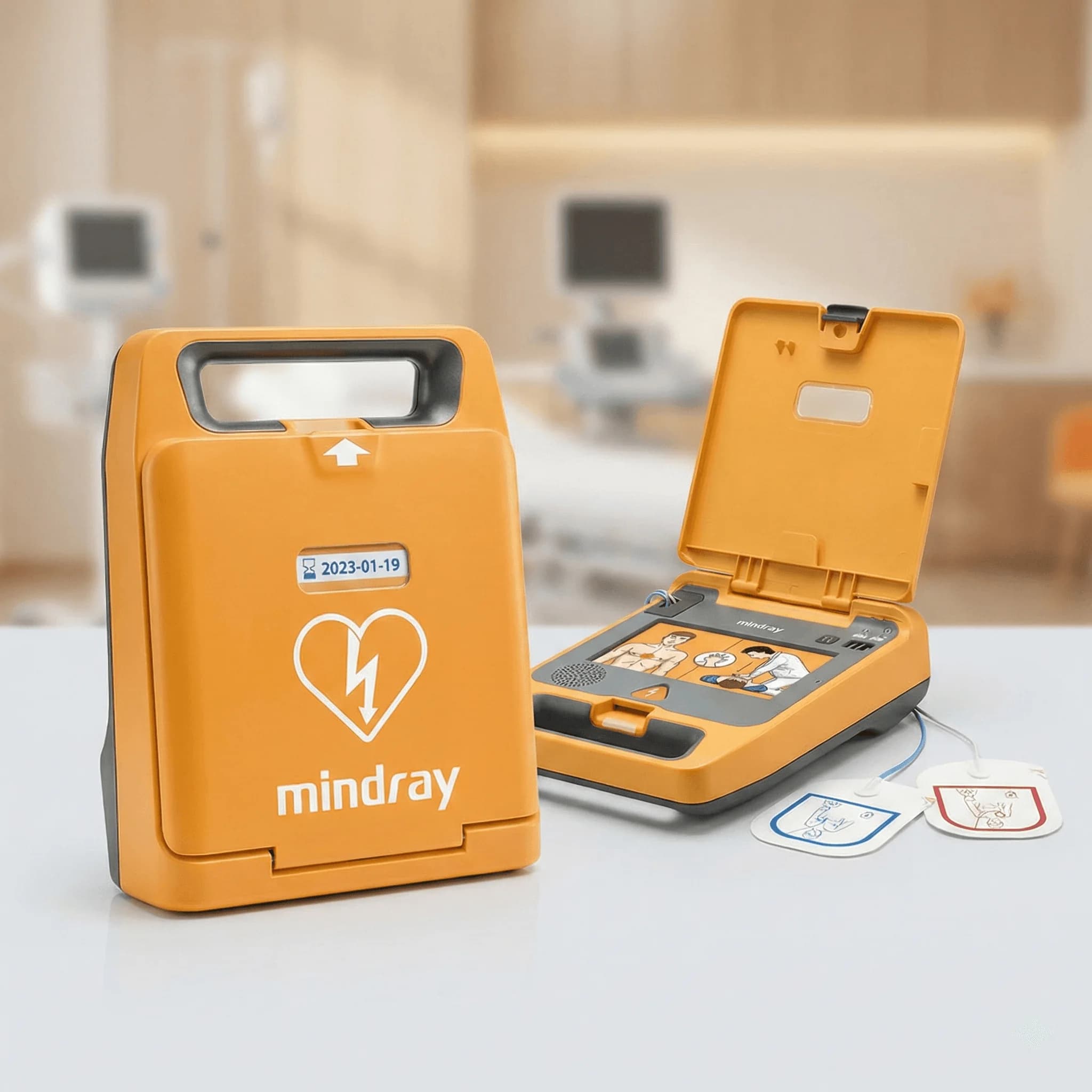
An automated external defibrillator (AED) measures the heart's electrical activity as soon as the pads are attached and decides on its own whether a shock is needed. It never delivers a shock to someone whose heart is beating normally, which makes it safe to use even for an untrained bystander, on a woman just as on a man, a teenager or an elderly person.
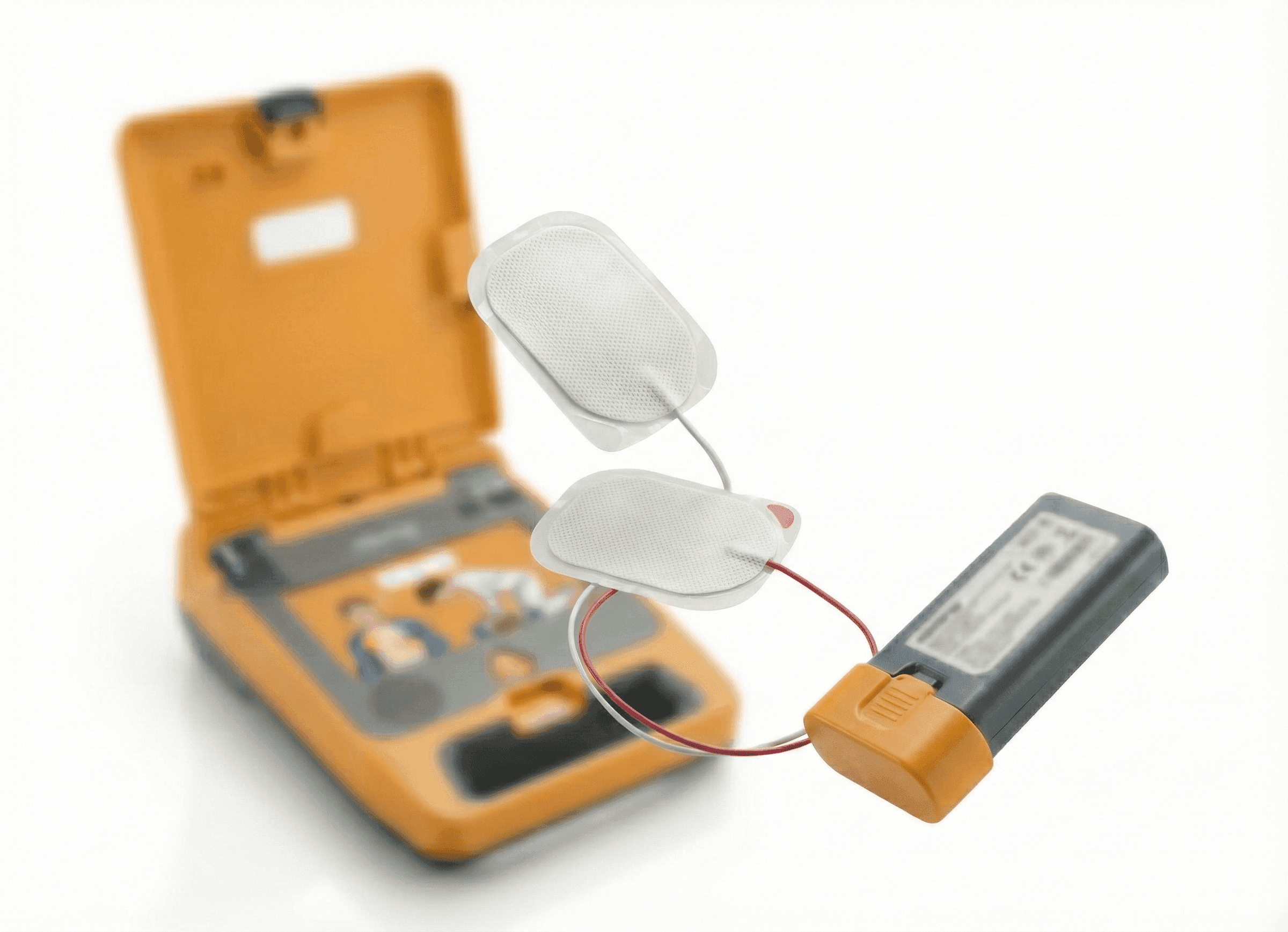
Devices installed in public venues come with adult pads and, often, a set of paediatric pads for children. There is, however, no difference in equipment based on sex: the same pads and the same device suit every adult victim.
Raising awareness to cut the delay before help is called
In a company, a local authority or an association, first aid awareness sessions benefit from explicitly mentioning these lesser-known symptoms: an ache in the back or jaw, sudden breathlessness, unexplained intense fatigue. Naming these signs during training helps staff and the public react faster, instead of waiting for the classic chest pain that does not always appear.
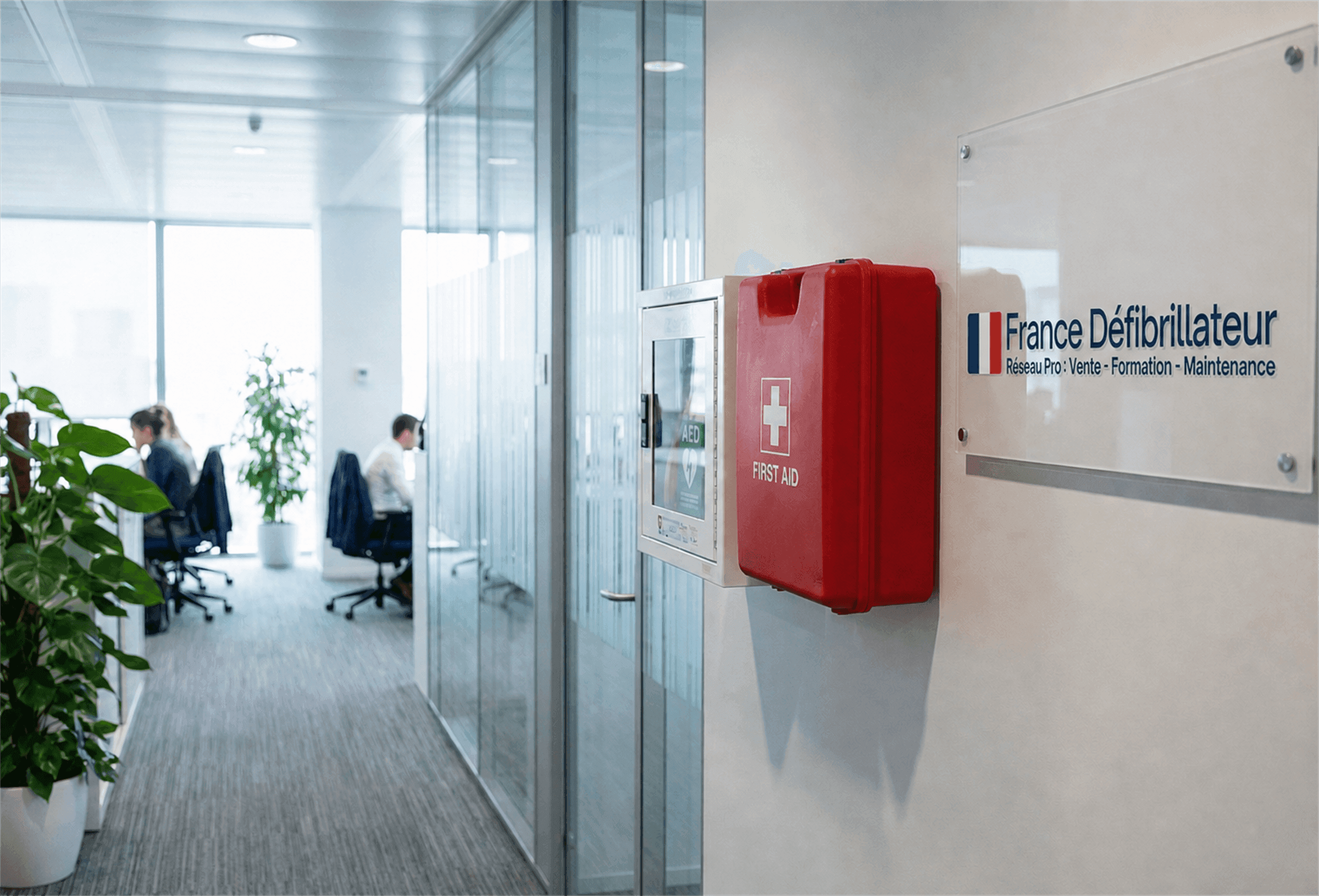
This awareness effort complements installing a defibrillator that is accessible and clearly signposted: a well-placed device is useless if no one dares use it in time, for want of recognising the signs that come before cardiac arrest.
Frequently asked questions
Are women more at risk of cardiac arrest than men?
Overall risk remains high for both sexes, with a significant share of the 50,000 cardiac arrests recorded each year in France affecting women. The real difference lies in recognising the warning signs, which are often less typical than in men, and that delays the alarm and the response.
Should you hesitate to bare a woman's chest to fit the defibrillator pads?
No, this step must never be delayed. The pads need to be placed directly on bare skin, removing an underwired bra if it blocks contact. Without this step, the device cannot correctly analyse the heart rhythm or decide on a shock, which puts the victim at risk.
Are the symptoms of cardiac arrest really different in women?
They can be. A diffuse ache in the back or jaw, sudden breathlessness, nausea or intense fatigue sometimes replace classic chest pain. These less recognised signs are often wrongly blamed on stress or tiredness, which delays the call for help.
Can the defibrillator deliver a shock by mistake if used incorrectly?
No. The device continuously analyses the heart rhythm once the pads are attached and only advises a shock if it detects a serious disturbance requiring defibrillation. On a heart beating normally, no shock is delivered, whatever the profile of the person wearing the pads.
How can staff be made aware of these specific signs at work?
A first aid course or a simple awareness session can include these atypical symptoms alongside chest compressions and defibrillator use. Repeating these lesser-known signals helps staff react without waiting for the classic chest pain that does not always occur.
Planning an AED project?
Purchase, rental from 50 EUR excl. VAT per month, installation with GéoDAE registration, servicing and training: our team replies within 24 hours.